Proper winter storage is crucial for extending the lifespan of your inflatable kayak. Neglecting this can lead to mildew, stiff materials, or weakened seams, resulting in costly repairs and diminished performance. By following a few essential steps, including thorough cleaning, complete drying, and choosing an optimal storage environment, you can ensure your inflatable kayak remains in excellent condition, ready for countless future expeditions.
The Imperative of Proper Winter Storage for Your Inflatable Kayak
Taking the time to store your inflatable kayak correctly for winter is far more than a chore; it’s a wise investment in its longevity and your future enjoyment on the water. A little effort now can prevent a lot of headaches and expenses later.
Protecting Your Investment
Your inflatable kayak represents a significant investment in your outdoor lifestyle. Proper winter storage safeguards the integrity of its materials, from the PVC or drop-stitch fabric to the valves and seams. Protecting these components from harsh environmental conditions like extreme temperatures, UV radiation, and moisture prevents premature wear and tear, ensuring your kayak remains a reliable companion for many seasons to come.
Preventing Damage and Degradation
The off-season can be surprisingly detrimental to inflatable kayaks if not handled with care. Trapped moisture can rapidly foster mold and mildew growth, which not only looks unpleasant but can also degrade the fabric and create persistent, musty odors. Exposure to direct sunlight and extreme cold can cause materials to become brittle, fade, or even lead to bonding flaws in the seams. By creating a controlled storage environment, you actively prevent these forms of degradation.
Ensuring Readiness for the Next Season
A kayak that has been properly cleaned, dried, and stored is a joy to unpack. It’s ready for action with minimal fuss, saving you valuable time and effort when you’re eager to hit the water. Conversely, a poorly stored kayak might require extensive cleaning, repairs, or even replacement, cutting into your paddling time and budget. Proper storage guarantees your inflatable kayak will be in prime condition, eagerly awaiting its next adventure with you.
Essential Steps for Preparing Your Inflatable Kayak for Winter Storage
The foundation of successful winter storage lies in meticulous preparation. Each step, from cleaning to strategic folding, plays a vital role in preserving your inflatable kayak’s condition.
Thorough Cleaning: A Foundation for Longevity
Before storing your inflatable kayak, a comprehensive cleaning is non-negotiable. Begin by rinsing your kayak with fresh water, especially if it’s been in saltwater, muddy lakes, or rivers. This washes away salt, sand, grit, algae, and any plant material that could otherwise degrade the fabric or harbor pests. Use a gentle spray and a soft sponge to scrub away dirt, avoiding high-pressure washers that could damage seams. Opt for mild soap or a marine-friendly cleaner, and always check your manufacturer’s recommendations before using any cleaning products. Pay particular attention to valves and any removable fins, ensuring they are free of debris.
Complete Drying: The Ultimate Mold and Mildew Defense
|
Our Picks for the Best Inflatable Kayak in 2026
As an Amazon Associate I earn from qualifying purchases.
|
||
| Num | Product | Action |
|---|---|---|
| 1 | INTEX 68303EP Excursion Pro K1 Inflatable Kayak Set: Includes Deluxe 86in Kayak Paddles and High-Output Pump – SuperTough PVC – Adjustable Bucket Seat – 1-Person – 220lb Weight Capacity |

|
| 2 | Retrospec June Nano Kids Inflatable Fishing Paddle Board SUP Kayak: 9'6" Hybrid Paddleboard with Rod Holders, Removable Seat - Lightweight Portable Youth Fishing Board |
|
| 3 | GYMAX Inflatable Kayak, 12.5Ft 507lbs Tandem Kayak with 2 Aluminum Paddles, 2 Padded Seats, Footrests, 2 Fins, Hand Pump, Carry Bag & Repair Kit, 2 Person Fishing Touring Kayak for Adults |
|
| 4 | Intex 68307EP Explorer K2 Inflatable Kayak Set: Includes Deluxe 86in Aluminum Oars and High-Output Pump – SuperStrong PVC – Adjustable Seats with Backrest – 2-Person – 400lb Weight Capacity |
|
| 5 | INTEX Challenger Inflatable Kayak Series: Includes Deluxe 86in Kayak Paddles and High-Output Pump – SuperStrong PVC – Adjustable Seat with Backrest – Removable Skeg – Cargo Storage Net |
|
| 6 | INTEX 68324EP Excursion 4 Inflatable Boat Set: Includes Deluxe 54in Boat Oars and High-Output Pump – Adjustable Seats with Backrest – Fishing Rod Holders – 4-Person – 1100lb Weight Capacity |
|
| 7 | Advanced Elements - AdvancedFrame Sport Inflatable Kayak - Lightweight Day Touring Kayak with Bag and Pump |
|
| 8 | INTEX Challenger Inflatable Kayak Series: Includes Deluxe 86in Kayak Paddles and High-Output Pump – SuperStrong PVC – Adjustable Seat with Backrest – Removable Skeg – Cargo Storage Net |
|
| 9 | Intex Challenger K1 Kayak Kit |
|
| 10 | Intex 68309EP Excursion Pro K2 Inflatable Kayak Set: Includes Deluxe 86in Kayak Paddles and High-Output Pump – SuperTough PVC – Adjustable Bucket Seat – 2-Person – 400lb Weight Capacity |
|
This is arguably the most critical step. Any residual moisture is an open invitation for mold and mildew, which can permanently stain and damage your kayak’s material, creating unpleasant smells. After cleaning, wipe down every surface with a high-quality microfiber towel. Then, allow the kayak to air dry completely in a shaded area; never leave it in direct sunlight for drying, as UV rays can cause damage. For optimal airflow, you can prop the kayak open or leave it partially inflated for several hours, allowing moisture to evaporate from hard-to-reach areas and between multi-layers or air chambers, which are prime breeding grounds for mildew. Ensure it is bone dry before proceeding to the next step.
Inspecting for Damage and Performing Repairs
With your inflatable kayak clean and dry, take this opportunity for a thorough inspection. Carefully examine the entire surface, paying close attention to seams, valves, and any areas that might have experienced heavy use. Look for small punctures, tears, abrasions, or signs of seam separation. Address any minor repairs immediately using a suitable repair kit specific to your kayak’s material. Neglecting small issues now can lead to larger, more complex problems in the spring. This is also an opportune moment to apply a UV protectant designed for PVC and rubber to help extend your kayak’s lifespan, especially if it sees a lot of sun exposure during the paddling season.
Deflating and Folding with Precision
For long-term winter storage, it is generally recommended to fully deflate your inflatable kayak. This relieves stress on the seams and valves that prolonged inflation can cause. When deflating, ensure all air is expelled. The method of folding depends on your storage environment:
- For unheated or cold storage spaces (like an uninsulated garage or shed): Avoid tight rolling or folding. Extreme cold can make the material less pliable, leading to permanent creases or damage at the fold points. Instead, opt for a loose roll, or even leave it partially inflated (around 4-6 PSI) and unrolled if space allows. Leave the valves open to prevent air pressure changes from straining the seams.
- For temperature-controlled environments (like a heated garage or indoor closet): You can fold it more compactly into its storage bag. When folding, vary your fold patterns each season to prevent repeatedly creasing the same areas. Roll it like a “burrito,” smoothing out sections as you go, and ensure no sharp objects (like paddles or pump parts) are packed inside the folded kayak, as these could cause punctures over time.
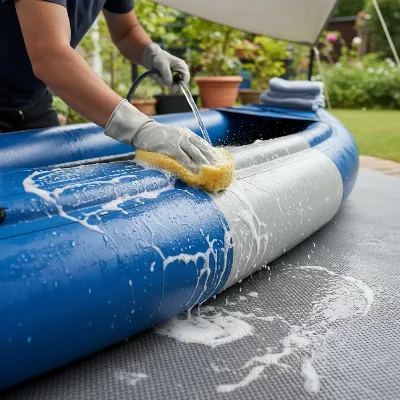 Thoroughly cleaning an inflatable kayak after use before winter storage to prevent mold and mildew growth.
Choosing the Ideal Storage Environment
The location you choose for winter storage is just as important as the preparation steps. The right environment can make all the difference in preserving your inflatable kayak.
Understanding Optimal Environmental Conditions
The ideal storage location for an inflatable kayak is cool, dry, and consistently temperature-controlled. This means avoiding areas prone to significant temperature fluctuations, which can stress the material. A climate-controlled garage, a spare closet, or a basement often provide the best conditions, protecting the kayak from both intense heat and freezing temperatures. These stable conditions prevent the expansion and contraction that can weaken materials and seams over time.
Guarding Against Pests and Temperature Extremes
Pests, such as rodents and insects, can cause significant damage by chewing through the fabric of your stored kayak. An indoor, enclosed space naturally offers better protection against these unwelcome guests. Safeguarding your kayak from temperature extremes is crucial. Direct sunlight exposes the material to harmful UV rays that cause fading and degradation, while freezing temperatures can make the PVC brittle, especially if it still harbors any moisture. Avoid storing your kayak in places like a car trunk or outdoor shed that can become ovens in warm spells or freezers in cold snaps.
Indoor vs. Outdoor Storage Considerations
Indoor storage is always the preferred option. Garages, sheds, basements, or even large closets inside your home offer the best protection from the elements, UV exposure, and pests. Since inflatable kayaks can be deflated and rolled, they are often surprisingly compact, making indoor storage feasible even for those with limited space.
If outdoor storage is your only option, extra precautions are necessary.
- Choose a shaded spot to protect it from direct sunlight.
- Cover the entire kayak with a sturdy, water-resistant tarp that allows for some airflow but keeps out rain, snow, and debris.
- Elevate the kayak slightly off the ground to prevent moisture accumulation and deter pests.
- Consider securing it with a good quality lock to prevent theft.
- Regularly check on your kayak throughout the winter to ensure its cover is intact and that no moisture or pests have found their way in.
Best Practices for Long-Term Inflatable Kayak Storage
Beyond the initial preparation and location selection, a few ongoing best practices will ensure your inflatable kayak remains in pristine condition throughout the winter months.
Utilizing Storage Bags and Protective Covers
Once your kayak is clean, dry, and properly folded or loosely rolled, store it in its original backpack or a dedicated storage bag. This protects the material from dust, dirt, and accidental scuffs. If the bag is too tight with accessories, consider storing the pump and paddle separately to avoid over-compressing the kayak. For kayaks stored partially inflated or loosely rolled, a durable kayak cover or a fitted board bag offers similar protection against environmental dust and minor impacts, especially if stored in a garage or shed.
Safeguarding Against Rodents and Insects
Even indoors, pests can be a concern. Storing your inflatable kayak off the floor, ideally on shelves or suspended, can help deter rodents. For added protection, consider placing natural pest repellents, such as cedar blocks or peppermint oil-soaked cotton balls, near the storage area (but not directly on the kayak material). Keeping the storage area clean and free of food sources is also key to preventing infestations.
Maintaining Airflow and Preventing Moisture Buildup
Even if thoroughly dry when stored, fluctuations in humidity can lead to condensation. If storing in a less-than-ideal environment, ensure there’s adequate airflow around the kayak. Avoid wrapping it in airtight plastic for extended periods, as this can trap any latent moisture and encourage mildew. If storing in a bag, ensure it’s breathable or occasionally unzipping it slightly to allow air circulation. If storing partially inflated, a small amount of air can help maintain its shape without putting excessive strain on the seams.
Periodic Checks: A Winter Watch
Make it a habit to check on your inflatable kayak periodically throughout the winter. A quick visual inspection can catch any issues early, such as signs of pest activity, unexpected moisture, or changes in the storage environment. This proactive approach allows you to address problems before they cause significant damage, ensuring your kayak is truly ready when spring arrives.
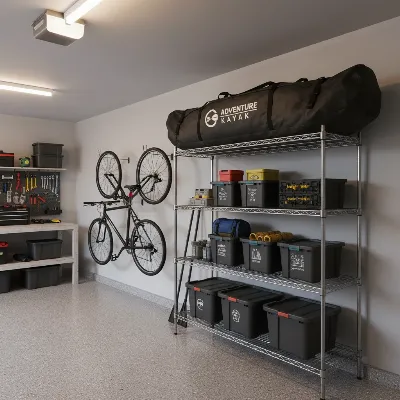 An inflatable kayak neatly folded and placed in its storage bag, stored on a shelf in a clean, temperature-controlled garage, away from direct sunlight and chemicals.
Common Mistakes to Avoid When Storing Your Inflatable Kayak
While following best practices is essential, being aware of common pitfalls can prevent inadvertent damage to your inflatable kayak during the off-season.
The Perils of Storing While Wet
One of the most frequent and damaging mistakes is storing an inflatable kayak when it’s still damp. Even a small amount of moisture can lead to a breeding ground for mold, mildew, and unpleasant odors that are notoriously difficult to remove. This biological growth not only looks unsightly but can also weaken the fabric and seams over time. Always allocate ample time for thorough drying, both inside and out, before contemplating storage.
Incorrect Inflation Levels During Storage
The “inflated vs. deflated” debate often leads to errors. Storing an inflatable kayak fully inflated for extended periods, especially in areas with temperature swings, can put unnecessary stress on the seams and valves, potentially leading to leaks. Conversely, tightly compressing a fully deflated kayak in very cold conditions can cause permanent creases and fabric damage. The best practice is to fully deflate or, if storing in a cold, unheated space, leave it loosely rolled or partially inflated (4-6 PSI) to prevent tight creases and allow for material flexibility.
Exposure to Harsh Elements
Leaving your inflatable kayak exposed to direct sunlight, extreme heat, or freezing temperatures during winter storage can severely degrade its materials. UV rays from the sun cause fading and weaken the PVC, making it brittle. High heat, such as that found in a closed car trunk or an unventilated shed on a warm day, can expand the air inside (if partially inflated) and weaken bonding. Freezing temperatures, especially combined with moisture, can cause materials to crack and components like deck pads to wear out through cycles of freezing and thawing. Always prioritize a cool, dry, and stable environment.
Overlooking Minor Wear and Tear
It’s easy to pack away your kayak at the end of the season without a detailed inspection. However, overlooking small punctures, abrasions, or weakened seams can lead to significant problems down the line. A tiny leak that goes unnoticed before storage can expand and become a major repair by spring. Performing a thorough check and making any necessary repairs before storage ensures that your kayak is not only protected but also ready for immediate use when the paddling season resumes.
Reawakening Your Inflatable Kayak for Spring
After months of careful winter storage, the return of warmer weather signals the exciting time to prepare your inflatable kayak for its next adventures. This final phase ensures a smooth transition from storage to water.
Re-inflation, Inspection, and Pre-Season Checks
When it’s time to bring your inflatable kayak out of winter storage, the first step is to carefully re-inflate it. Follow the manufacturer’s recommended PSI, using your pump’s gauge to avoid over-inflation. As it inflates, conduct another thorough visual inspection. Look for any signs of wear, damage, or changes that might have occurred during the off-season, such as new creases, sticky valves, or areas that seem to lose air faster than others. Check all seams and connections once more to ensure everything is secure. This pre-season check acts as a final safeguard, confirming your kayak is in optimal condition before its maiden voyage of the year.
Essential Maintenance for a Smooth Start
Beyond visual inspection, a little pre-season maintenance can ensure your kayak performs at its best. Clean the valves to ensure they seal properly and consider applying a very light coat of lubricant if they feel stiff. If you use a removable fin, ensure its box or socket is clean and the fin attaches securely. Take a moment to inspect your paddle, life vest, and any other accessories for wear and tear. Make sure your pump is also in good working order. By dedicating a short time to these essential checks, you set yourself up for a season of worry-free paddling, enjoying the water knowing your inflatable kayak is robust and ready.
Conclusion
Properly storing your inflatable kayak for winter is an act of care that pays dividends in longevity and reliability. By diligently cleaning, thoroughly drying, inspecting for repairs, and choosing an appropriate storage environment, you protect your investment from the damaging effects of moisture, extreme temperatures, and pests. to avoid common pitfalls like storing a damp kayak or incorrect inflation levels. When spring arrives, your meticulous efforts will be rewarded with an inflatable kayak that is pristine, structurally sound, and eager to carry you on countless new water adventures. What thrilling destinations will your well-preserved inflatable kayak take you to next season?
Frequently Asked Questions
What is the best temperature range for storing an inflatable kayak?
The ideal temperature range for storing an inflatable kayak is cool and stable, typically between 40-70°F (4-21°C). Avoid extreme heat or freezing temperatures, as these can degrade the material and weaken seams over time.
Can I store my inflatable kayak partially inflated?
Yes, you can store an inflatable kayak partially inflated, especially if storing it in an unheated garage or shed during winter. Keeping it loosely inflated (around 4-6 PSI) and unrolled can help prevent tight creases from forming in the cold, which might otherwise damage the material.
How often should I check my inflatable kayak during winter storage?
It’s a good practice to visually inspect your inflatable kayak once every month or two during its winter storage. This allows you to catch any potential issues like pest activity, unexpected moisture, or changes in the storage environment early on.
What kind of cleaner should I use on my inflatable kayak?
For cleaning your inflatable kayak, use a mild soap (like dish soap) mixed with fresh water or a marine-specific cleaner. Always avoid harsh chemical solvents or high-pressure sprays, as these can damage the PVC or drop-stitch material and compromise the integrity of the seams.
Is it okay to store my inflatable kayak outdoors in winter?
Storing your inflatable kayak outdoors during winter is generally not recommended due to exposure to direct sunlight, extreme temperatures, rain, and snow, which can cause significant damage. If absolutely necessary, ensure it’s fully covered with a waterproof tarp, elevated off the ground, and regularly checked. Indoor, climate-controlled storage is always preferable.
Frequently Asked Questions
What is the best temperature range for storing an inflatable kayak?
The ideal temperature range for storing an inflatable kayak is cool and stable, typically between 40-70u00b0F (4-21u00b0C). This range prevents material degradation and seam weakening caused by extreme heat or freezing temperatures.
Can I store my inflatable kayak partially inflated?
Yes, you can store an inflatable kayak partially inflated, especially in unheated spaces. Keeping it loosely inflated (around 4-6 PSI) and unrolled helps prevent tight creases that can damage the material in cold conditions.
How often should I check my inflatable kayak during winter storage?
It is recommended to visually inspect your inflatable kayak once every month or two during winter storage. This allows for early detection of issues like pest activity, unexpected moisture, or environmental changes.
What kind of cleaner should I use on my inflatable kayak?
For cleaning your inflatable kayak, use a mild soap, such as dish soap mixed with fresh water, or a marine-specific cleaner. Avoid harsh chemical solvents or high-pressure sprays, as these can damage the PVC or drop-stitch material and compromise seam integrity.
Is it okay to store my inflatable kayak outdoors in winter?
Storing an inflatable kayak outdoors in winter is generally not recommended due to exposure to damaging elements like direct sunlight, extreme temperatures, rain, and snow. If outdoor storage is unavoidable, ensure it is fully covered with a waterproof tarp, elevated off the ground, and regularly checked for protection.
Prepare Your Inflatable Kayak for Winter Storage
Follow these steps to properly prepare your inflatable kayak for winter storage, ensuring its longevity and readiness for the next paddling season.
Rinse your kayak with fresh water to remove salt, sand, and debris. Use a mild soap or marine-friendly cleaner with a soft sponge, avoiding high-pressure washers. Pay attention to valves and fins.
Wipe down every surface with a microfiber towel, then air dry completely in a shaded area. Prop the kayak open or leave it partially inflated for several hours to ensure all moisture evaporates, preventing mold and mildew.
Examine the entire kayak for punctures, tears, or seam separation. Address minor repairs immediately with a suitable repair kit. Consider applying a UV protectant for PVC and rubber materials.
Fully deflate the kayak to relieve stress on seams and valves. For cold storage, opt for a loose roll or partial inflation (4-6 PSI). For temperature-controlled spaces, fold compactly into its storage bag, varying fold patterns each season.
Store your kayak in a cool, dry, and consistently temperature-controlled location, ideally between 40-70u00b0F (4-21u00b0C). This protects it from extreme temperatures, UV rays, and pests, ensuring material integrity.

I used to just toss my kayak in the garage, and it always felt stiff and a little funky come spring. Following the advice here about thorough cleaning and complete drying made a huge difference. My Advanced Elements kayak feels brand new, and I didn’t have any mildew issues this year. Definitely worth the extra effort!
I’ve always worried about weakened seams after winter, especially with my older Sea Eagle. The detailed steps for proper storage, particularly focusing on not folding it too tightly, gave me peace of mind. It’s ready to go for next season without any worries about leaks or damage. Thanks for the clear guidance!
My Intex Explorer always seemed to suffer from diminished performance after winter. This year, I followed the steps for proper inflation and deflation during storage, and it made a noticeable difference. The material feels much more pliable, and I’m confident it will last for many more seasons. Excellent advice for extending the lifespan!
Great tips, especially about choosing an optimal storage environment. I used to keep mine in a shed that got pretty cold, but moving it to a more temperature-stable spot in the basement really helped. My only minor complaint is that it took a bit longer to fully dry than I expected, even after wiping it down.
The advice on preventing stiff materials is solid, and I appreciate the emphasis on keeping it clean. However, I found it a bit challenging to find a storage bag large enough to comfortably store my larger tandem inflatable without folding it too much. It would have been helpful to have some specific recommendations for oversized storage solutions.