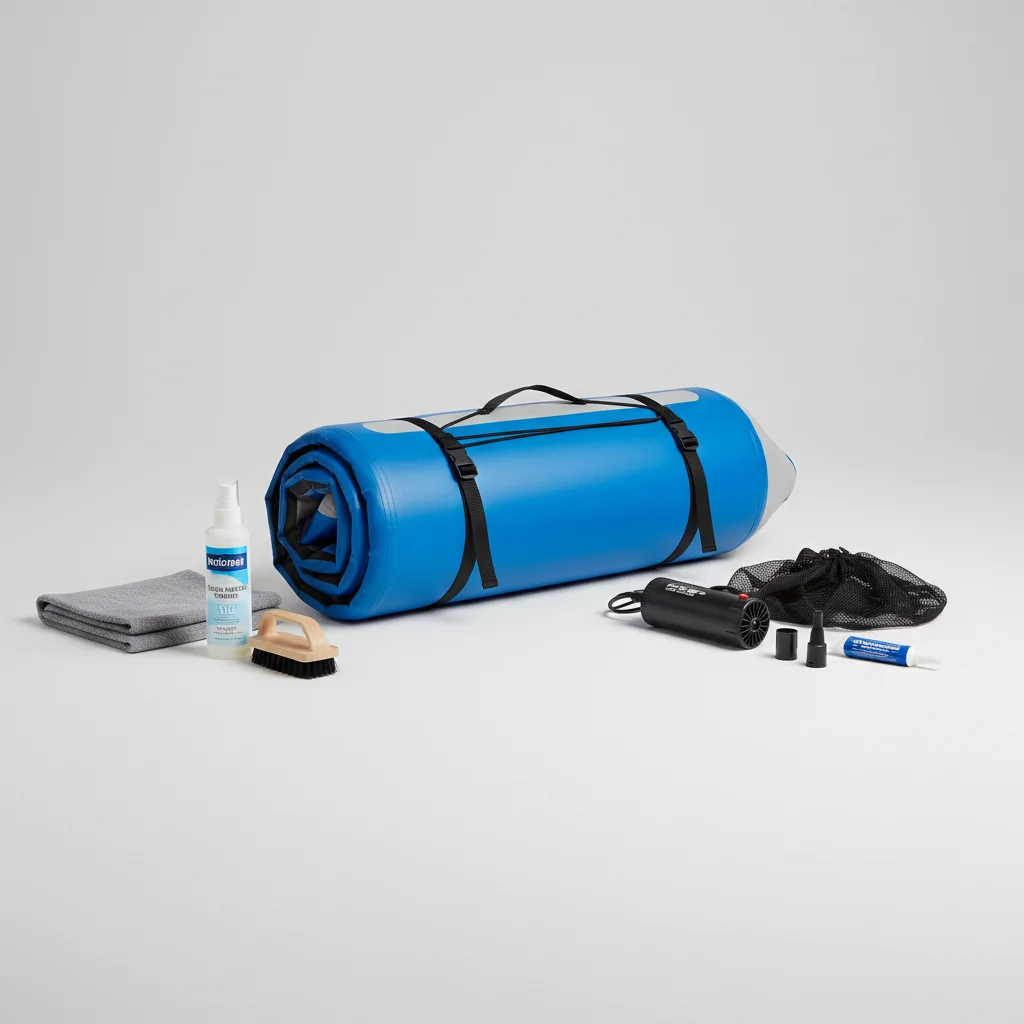
Proper inflatable kayak care involves five key steps: immediate post-paddle cleaning, deep cleaning, thorough drying with UV protection, regular inspection for minor damage, and correct storage techniques. Following these steps helps prevent common issues like mildew, UV damage, and material degradation, ensuring your vessel remains in optimal condition for extended use.
Immediate Post-Paddle Cleaning
After each use, especially in saltwater or murky conditions, it’s crucial to rinse your inflatable kayak thoroughly. Saltwater can corrode valves and degrade fabric over time, while freshwater mud and debris can foster mildew growth. Use a soft brush or sponge with fresh water to remove any visible dirt, sand, or plant matter from both the interior and exterior surfaces. Pay close attention to seams and crevices where debris can accumulate. For stubborn grime, a mild soap solution (like dish soap) can be used, but always ensure it’s completely rinsed off to avoid leaving residues that can attract dirt or damage the material. For shop curated inflatable kayak on this site.
Deep Cleaning and Stain Removal
Periodically, your inflatable kayak will benefit from a more thorough deep clean. This involves using specialized cleaners designed for PVC or Hypalon materials, which can tackle tougher stains, mildew, and oxidation without harming the fabric. Apply the cleaner according to the product instructions, often requiring a short dwell time before scrubbing gently with a soft-bristled brush. For mildew spots, a diluted bleach solution (1 part bleach to 10 parts water) can be effective, but test it on an inconspicuous area first and rinse thoroughly afterward. Always avoid abrasive cleaners or harsh chemicals that can strip protective coatings or damage the material.
- Rinse thoroughly with fresh water after every use.
- Use a mild soap for general cleaning, specialized cleaners for tough stains.
- Address mildew promptly with appropriate solutions.
- Inspect valves and seams for any signs of wear or damage.
- Ensure the kayak is completely dry before storage.
Drying and UV Protection
|
Our Picks for the Best Inflatable Kayak in 2026
As an Amazon Associate I earn from qualifying purchases.
|
||
| Num | Product | Action |
|---|---|---|
| 1 | INTEX 68324EP Excursion 4 Inflatable Boat Set: Includes Deluxe 54in Boat Oars and High-Output Pump – Adjustable Seats with Backrest – Fishing Rod Holders – 4-Person – 1100lb Weight Capacity |

|
| 2 | INTEX 68303EP Excursion Pro K1 Inflatable Kayak Set: Includes Deluxe 86in Kayak Paddles and High-Output Pump – SuperTough PVC – Adjustable Bucket Seat – 1-Person – 220lb Weight Capacity |
|
| 3 | GYMAX Inflatable Kayak, 12.5Ft 507lbs Tandem Kayak with 2 Aluminum Paddles, 2 Padded Seats, Footrests, 2 Fins, Hand Pump, Carry Bag & Repair Kit, 2 Person Fishing Touring Kayak for Adults |
|
| 4 | Intex 68309EP Excursion Pro K2 Inflatable Kayak Set: Includes Deluxe 86in Kayak Paddles and High-Output Pump – SuperTough PVC – Adjustable Bucket Seat – 2-Person – 400lb Weight Capacity |
|
| 5 | INTEX Challenger Inflatable Kayak Series: Includes Deluxe 86in Kayak Paddles and High-Output Pump – SuperStrong PVC – Adjustable Seat with Backrest – Removable Skeg – Cargo Storage Net |
|
| 6 | Intex Challenger K1 Kayak Kit |
|
| 7 | Intex 68307EP Explorer K2 Inflatable Kayak Set: Includes Deluxe 86in Aluminum Oars and High-Output Pump – SuperStrong PVC – Adjustable Seats with Backrest – 2-Person – 400lb Weight Capacity |
|
| 8 | INTEX Challenger Inflatable Kayak Series: Includes Deluxe 86in Kayak Paddles and High-Output Pump – SuperStrong PVC – Adjustable Seat with Backrest – Removable Skeg – Cargo Storage Net |
|
| 9 | Retrospec June Nano Kids Inflatable Fishing Paddle Board SUP Kayak: 9'6" Hybrid Paddleboard with Rod Holders, Removable Seat - Lightweight Portable Youth Fishing Board |
|
| 10 | Advanced Elements - AdvancedFrame Sport Inflatable Kayak - Lightweight Day Touring Kayak with Bag and Pump |
|
One of the most critical steps in inflatable kayak care is ensuring it is completely dry before storage. Even a small amount of moisture can lead to mildew and unpleasant odors. Inflate the kayak slightly and leave it in a shaded, well-ventilated area to air dry. Avoid direct sunlight during this process, as prolonged UV exposure can degrade the material over time. Once dry, consider applying a UV protectant spray, especially if your kayak is frequently exposed to sunlight. These products create a barrier that helps prevent fading and cracking, significantly extending the life of the PVC or Hypalon fabric.
Inspecting and Repairing Minor Damage
Regular inspection is key to proactive maintenance. Before and after each use, check your kayak for any signs of wear, small punctures, or seam separation. Pay attention to the valves, ensuring they are clean and sealing properly. Minor punctures can often be repaired quickly with a patch kit, which typically includes adhesive and patch material. Addressing small issues promptly prevents them from escalating into larger, more costly repairs. Always follow the repair kit instructions carefully for a durable fix.
Proper Storage Techniques
How you store your inflatable kayak significantly impacts its longevity. Once clean, dry, and inspected, deflate the kayak and fold it loosely. Avoid tight folds that can create permanent creases or stress points in the material. Store it in a cool, dry place away from direct sunlight, extreme temperatures, and rodents. A breathable storage bag is ideal, as it protects the kayak from dust and debris while allowing for some air circulation. If storing for an extended period, occasionally unfold and re-fold the kayak in a different configuration to prevent material fatigue in specific areas.
Frequently Asked Questions
How often should I clean my inflatable kayak?
You should rinse your inflatable kayak with fresh water after every use, especially after paddling in saltwater or murky conditions. A more thorough deep clean with specialized cleaners is recommended periodically, depending on usage frequency and water conditions.
What is the best way to dry an inflatable kayak?
The best way to dry an inflatable kayak is to inflate it slightly and leave it in a shaded, well-ventilated area to air dry completely. Avoiding direct sunlight during drying helps prevent UV degradation of the material.
Can I use household cleaners on my inflatable kayak?
For general cleaning, a mild soap solution like dish soap can be used, but always ensure it's completely rinsed off. Avoid abrasive cleaners or harsh chemicals, as they can strip protective coatings or damage the PVC or Hypalon fabric. Specialized cleaners are best for tough stains.
Why is UV protection important for inflatable kayaks?
UV protection is crucial because prolonged exposure to direct sunlight can degrade the PVC or Hypalon material of your inflatable kayak, leading to fading, cracking, and reduced lifespan. Applying a UV protectant spray creates a barrier against these damaging effects.
What are the key steps for storing an inflatable kayak?
To store an inflatable kayak properly, ensure it is clean and completely dry, then deflate and fold it loosely to avoid tight creases. Store it in a cool, dry place away from direct sunlight, extreme temperatures, and rodents, ideally in a breathable storage bag.
How to Clean and Maintain Your Inflatable Kayak
Follow these five essential steps to properly clean, maintain, and store your inflatable kayak, ensuring its longevity and optimal performance.
Immediately after each use, rinse your inflatable kayak thoroughly with fresh water. Use a soft brush or sponge to remove all dirt, sand, and plant matter from both interior and exterior surfaces, paying attention to seams. This prevents salt corrosion and mildew growth.
For tougher stains or mildew, use specialized cleaners designed for PVC or Hypalon materials. Apply according to product instructions, allowing a short dwell time before gently scrubbing. For mildew, a 1:10 bleach-to-water solution can be effective, but test first and rinse completely.
Ensure the kayak is completely dry before storage to prevent mildew and odors. Inflate it slightly and air dry in a shaded, well-ventilated area. Once dry, apply a UV protectant spray to the fabric, especially if frequently exposed to sunlight, to prevent fading and cracking.
Before and after each use, inspect your kayak for any signs of wear, small punctures, or seam separation. Check valves for proper sealing. Address minor punctures promptly with a patch kit, following instructions carefully to prevent small issues from escalating.
Once clean, dry, and inspected, deflate the kayak and fold it loosely, avoiding tight creases. Store it in a cool, dry place away from direct sunlight, extreme temperatures, and rodents. A breathable storage bag is ideal for protection and air circulation.

The advice on thorough drying with UV protection is something I hadn’t really considered before. I always dried it, but never thought about the sun damage. Now I make sure to get it completely dry in the shade or use a UV protectant spray. It’s a small step that I hope will extend the life of my Advanced Elements kayak.
Regular inspection for minor damage is key! I caught a tiny pinhole leak on a seam of my Sea Eagle 370 early because I was actually looking for it, thanks to these tips. A quick patch saved me a lot of hassle down the road. It’s easy to overlook those small things until they become big problems.
I used to just hose down my kayak and call it a day, but after reading about the importance of deep cleaning, I’ve changed my routine. The tip about using a mild soap solution for stubborn grime really made a difference. My Intex Explorer K2 looks almost new again, even after a season of heavy use on the lake. Definitely worth the extra few minutes.
I appreciate the detailed steps, especially the part about immediate post-paddle cleaning. I’ve been trying to follow it, but sometimes after a long day on the water, it’s hard to find the energy for a full rinse, especially when I’m dealing with saltwater. My main issue is still getting all the sand out of the crevices, even with a brush.