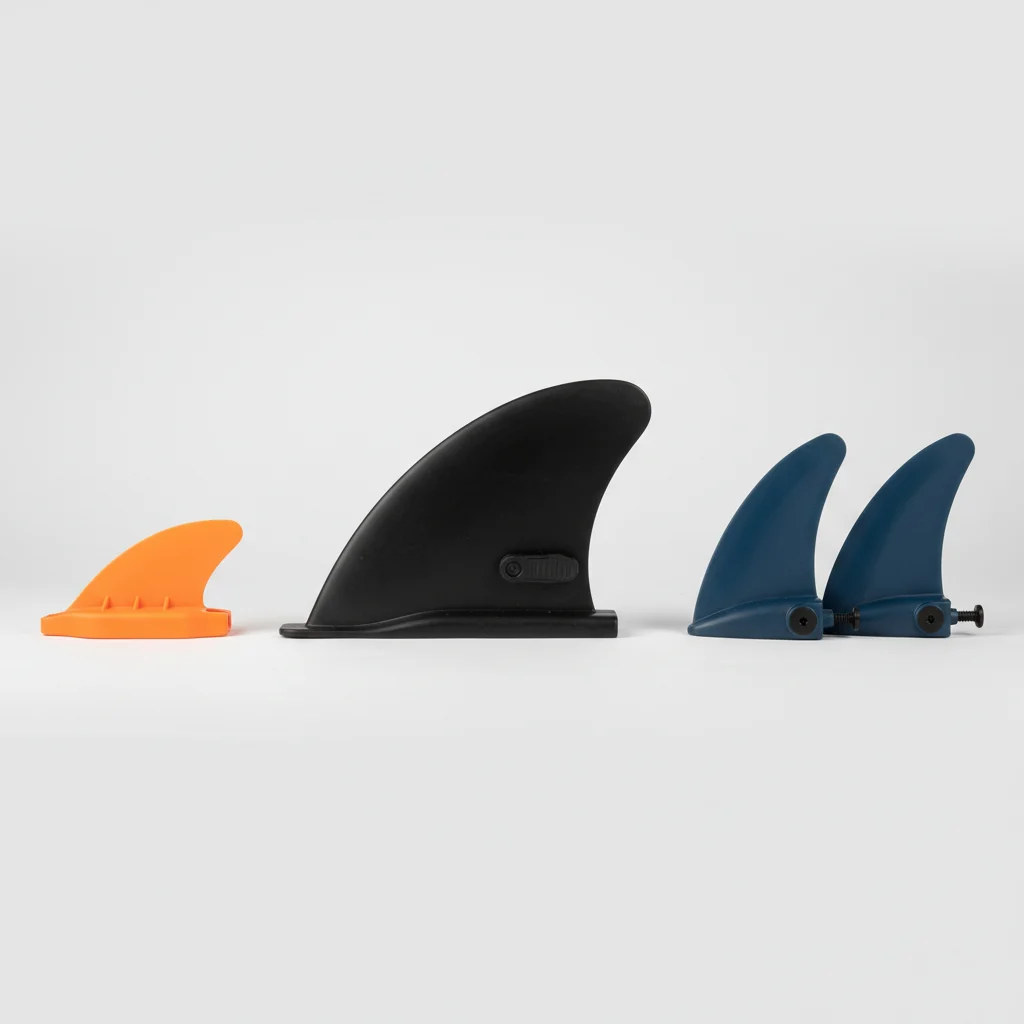
Inflatable kayak fins, also known as skegs, significantly improve tracking and stability, especially in windy conditions or currents. While not all inflatable kayaks come with fins, adding one can make a noticeable difference in your paddling efficiency and overall control. Most paddlers report a 20-30% improvement in straight-line tracking when using a fin compared to paddling without one.
Understanding the Role of Kayak Fins
Fins on an inflatable kayak serve a similar purpose to those on a surfboard or paddleboard: they help the vessel move in a straight line. Without a fin, a kayak tends to yaw, meaning its bow swings from side to side with each paddle stroke. This constant correction wastes energy and makes it harder to maintain a consistent course. Fins counteract this yaw, allowing you to paddle more efficiently and with less effort.
The design and size of a fin can influence its effectiveness. Larger fins provide more tracking but can make turning more difficult, while smaller fins offer a balance between maneuverability and straight-line performance. Many inflatable kayaks feature removable fins, giving paddlers the flexibility to choose based on their paddling environment and preferences.
Types of Inflatable Kayak Fins and Their Benefits
There are several types of fins commonly used with inflatable kayaks, each offering distinct advantages. The most common are fixed fins, which are permanently attached, and removable fins, which can be detached for transport or swapped out. Removable fins often use a slide-in or clip-on system for easy installation and removal.
- Tracking Fins: These are typically longer and deeper, designed to maximize straight-line tracking. They are ideal for open water, long-distance paddling, and calm conditions where maintaining a course is paramount.
- Shallow Water Fins: Shorter and wider, these fins are suitable for rivers or areas with submerged obstacles. They reduce the risk of snagging while still offering some directional stability.
- Whitewater Fins: Often smaller and more flexible, these fins prioritize maneuverability and durability in turbulent water. Some whitewater kayaks may even feature multiple small fins for enhanced control.
- Dolphin Fins: A common shape, offering a good balance of tracking and turning ability for general recreational use.
Installation and Maintenance of Kayak Fins
|
Our Picks for the Best Inflatable Kayak in 2026
As an Amazon Associate I earn from qualifying purchases.
|
||
| Num | Product | Action |
|---|---|---|
| 1 | GYMAX Inflatable Kayak, 12.5Ft 507lbs Tandem Kayak with 2 Aluminum Paddles, 2 Padded Seats, Footrests, 2 Fins, Hand Pump, Carry Bag & Repair Kit, 2 Person Fishing Touring Kayak for Adults |

|
| 2 | Intex 68309EP Excursion Pro K2 Inflatable Kayak Set: Includes Deluxe 86in Kayak Paddles and High-Output Pump – SuperTough PVC – Adjustable Bucket Seat – 2-Person – 400lb Weight Capacity |
|
| 3 | Retrospec June Nano Kids Inflatable Fishing Paddle Board SUP Kayak: 9'6" Hybrid Paddleboard with Rod Holders, Removable Seat - Lightweight Portable Youth Fishing Board |
|
| 4 | Intex 68307EP Explorer K2 Inflatable Kayak Set: Includes Deluxe 86in Aluminum Oars and High-Output Pump – SuperStrong PVC – Adjustable Seats with Backrest – 2-Person – 400lb Weight Capacity |
|
| 5 | INTEX Challenger Inflatable Kayak Series: Includes Deluxe 86in Kayak Paddles and High-Output Pump – SuperStrong PVC – Adjustable Seat with Backrest – Removable Skeg – Cargo Storage Net |
|
| 6 | INTEX 68303EP Excursion Pro K1 Inflatable Kayak Set: Includes Deluxe 86in Kayak Paddles and High-Output Pump – SuperTough PVC – Adjustable Bucket Seat – 1-Person – 220lb Weight Capacity |
|
| 7 | INTEX 68324EP Excursion 4 Inflatable Boat Set: Includes Deluxe 54in Boat Oars and High-Output Pump – Adjustable Seats with Backrest – Fishing Rod Holders – 4-Person – 1100lb Weight Capacity |
|
| 8 | Intex Challenger K1 Kayak Kit |
|
| 9 | Advanced Elements - AdvancedFrame Sport Inflatable Kayak - Lightweight Day Touring Kayak with Bag and Pump |
|
| 10 | INTEX Challenger Inflatable Kayak Series: Includes Deluxe 86in Kayak Paddles and High-Output Pump – SuperStrong PVC – Adjustable Seat with Backrest – Removable Skeg – Cargo Storage Net |
|
Installing a fin on an inflatable kayak is generally a straightforward process. For slide-in fins, you simply align the fin with the fin box on the kayak’s hull and slide it into place until it clicks or locks. Clip-on fins involve securing the fin to a designated attachment point. Always ensure the fin is securely fastened before launching your kayak to prevent loss during paddling.
Maintenance is minimal but important. After each use, especially in saltwater, rinse your fin with fresh water to remove salt, sand, or debris. Inspect the fin and its attachment point for any signs of damage, such as cracks or bends. Proper care will extend the life of your fin and ensure it performs optimally. Store fins in a safe place where they won’t be bent or damaged.
Choosing the Right Fin for Your Paddling Style
Selecting the appropriate fin depends largely on where and how you plan to paddle. If you primarily paddle on calm lakes or slow-moving rivers and prioritize straight-line efficiency, a larger tracking fin will be most beneficial. For those who enjoy exploring winding rivers or areas with potential obstacles, a shallower or more maneuverable fin might be a better choice.
Consider the conditions you’ll most frequently encounter. Strong winds and currents will benefit from a fin that provides superior tracking. If your kayak didn’t come with a fin or you’re looking to upgrade, many aftermarket options are available. Always check compatibility with your specific kayak model before purchasing.
The Impact of Fins on Kayak Performance
The addition of a fin can dramatically alter the performance characteristics of an inflatable kayak. Without a fin, an inflatable kayak can feel sluggish and difficult to control, especially for novice paddlers. The constant effort to correct its direction can lead to fatigue and frustration. With a fin, the kayak becomes more responsive to paddle strokes, allowing for smoother glides and more precise navigation.
This improved tracking also translates to better speed and efficiency. Less energy is wasted on correcting the kayak’s path, meaning more of your effort propels you forward. For those looking to cover longer distances or keep up with faster paddling companions, a fin is an indispensable accessory. It truly transforms the paddling experience, making it more enjoyable and less physically demanding.
