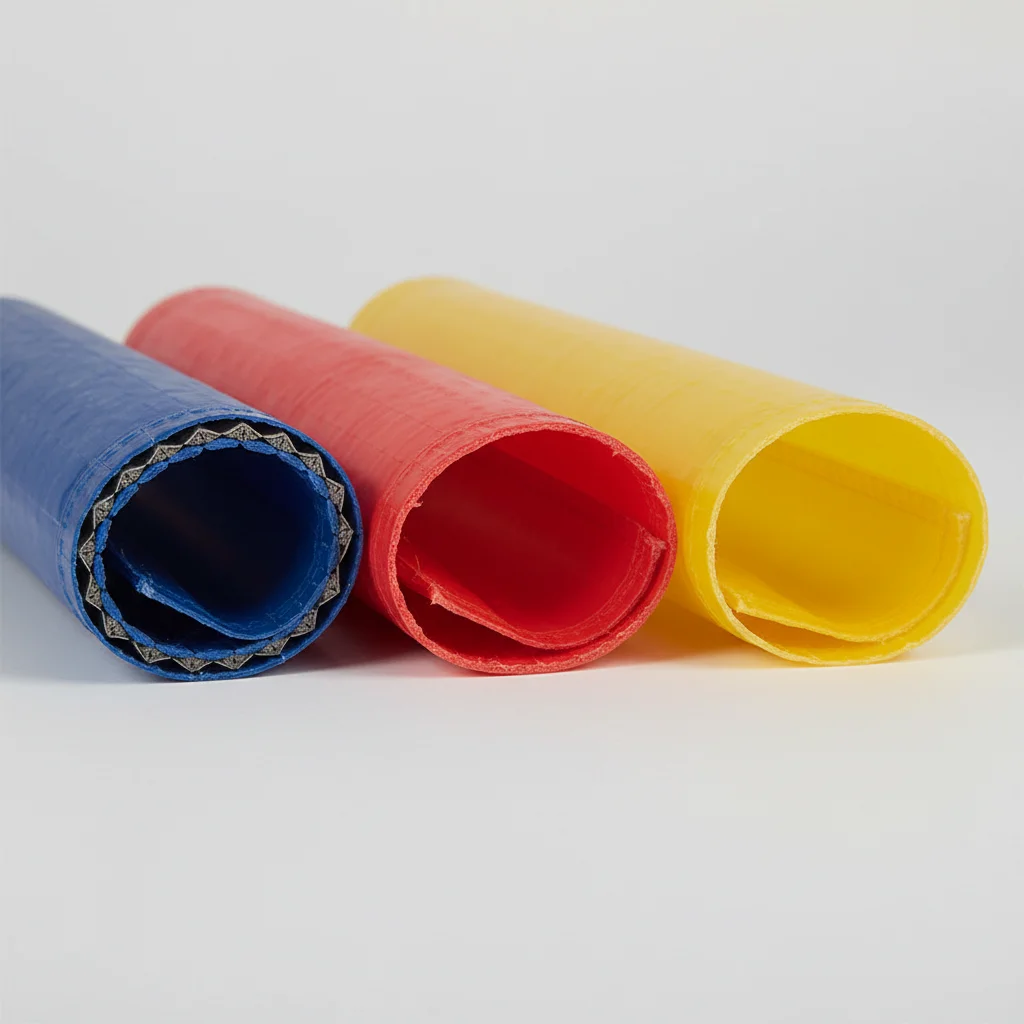
The best inflatable kayak material for durability is typically a multi-layered PVC or Hypalon construction, often reinforced with a denier nylon or polyester fabric. These materials offer a superior balance of puncture resistance, abrasion resistance, and UV stability, ensuring your kayak withstands various water conditions and prolonged use.
Understanding PVC in Inflatable Kayaks
Polyvinyl Chloride (PVC) is the most common material used in inflatable kayaks due to its excellent strength-to-weight ratio and affordability. Modern PVC kayaks often feature multiple layers, sometimes fused with a fabric core, to enhance their tear and abrasion resistance. Look for higher denier ratings (e.g., 1000D) which indicate a denser, more robust fabric weave, contributing significantly to the kayak’s overall lifespan. For more inflatable kayak guides on this site.
The Advantages of Hypalon Construction
Hypalon, a synthetic rubber, is renowned for its exceptional durability, UV resistance, and chemical stability. While more expensive than PVC, Hypalon kayaks are often considered the gold standard for extreme conditions and longevity. They are less prone to degradation from sun exposure and saltwater, making them a preferred choice for serious paddlers who demand the utmost in reliability and are willing to invest more.
Drop-Stitch Technology for Rigidity
Many high-performance inflatable kayaks incorporate drop-stitch technology, particularly in the floor. This involves thousands of polyester threads connecting the top and bottom layers of fabric, allowing the kayak to be inflated to much higher pressures (10-15 PSI) than traditional inflatables. The result is a remarkably rigid and stable platform that performs closer to a hard-shell kayak, enhancing both speed and tracking.
- Enhanced rigidity for better performance
- Higher inflation pressures for increased stability
- Improved tracking and glide on the water
- Greater weight capacity due to structural integrity
- More comfortable paddling experience
Factors Beyond Material: Construction and Seams
|
Our Picks for the Best Inflatable Kayak in 2026
As an Amazon Associate I earn from qualifying purchases.
|
||
| Num | Product | Action |
|---|---|---|
| 1 | INTEX Challenger Inflatable Kayak Series: Includes Deluxe 86in Kayak Paddles and High-Output Pump – SuperStrong PVC – Adjustable Seat with Backrest – Removable Skeg – Cargo Storage Net |

|
| 2 | Intex 68309EP Excursion Pro K2 Inflatable Kayak Set: Includes Deluxe 86in Kayak Paddles and High-Output Pump – SuperTough PVC – Adjustable Bucket Seat – 2-Person – 400lb Weight Capacity |
|
| 3 | Intex Challenger K1 Kayak Kit |
|
| 4 | Retrospec June Nano Kids Inflatable Fishing Paddle Board SUP Kayak: 9'6" Hybrid Paddleboard with Rod Holders, Removable Seat - Lightweight Portable Youth Fishing Board |
|
| 5 | GYMAX Inflatable Kayak, 12.5Ft 507lbs Tandem Kayak with 2 Aluminum Paddles, 2 Padded Seats, Footrests, 2 Fins, Hand Pump, Carry Bag & Repair Kit, 2 Person Fishing Touring Kayak for Adults |
|
| 6 | Intex 68307EP Explorer K2 Inflatable Kayak Set: Includes Deluxe 86in Aluminum Oars and High-Output Pump – SuperStrong PVC – Adjustable Seats with Backrest – 2-Person – 400lb Weight Capacity |
|
| 7 | INTEX 68324EP Excursion 4 Inflatable Boat Set: Includes Deluxe 54in Boat Oars and High-Output Pump – Adjustable Seats with Backrest – Fishing Rod Holders – 4-Person – 1100lb Weight Capacity |
|
| 8 | INTEX 68303EP Excursion Pro K1 Inflatable Kayak Set: Includes Deluxe 86in Kayak Paddles and High-Output Pump – SuperTough PVC – Adjustable Bucket Seat – 1-Person – 220lb Weight Capacity |
|
| 9 | Advanced Elements - AdvancedFrame Sport Inflatable Kayak - Lightweight Day Touring Kayak with Bag and Pump |
|
| 10 | INTEX Challenger Inflatable Kayak Series: Includes Deluxe 86in Kayak Paddles and High-Output Pump – SuperStrong PVC – Adjustable Seat with Backrest – Removable Skeg – Cargo Storage Net |
|
While the material itself is crucial, the construction methods and quality of seams play an equally vital role in an inflatable kayak’s durability. Heat-welded seams, for instance, create a stronger, more permanent bond than glued seams, reducing the likelihood of leaks over time. Reinforced stress points and protective rub-strakes along the sides also contribute significantly to the kayak’s ability to withstand impacts and abrasion.
When selecting an inflatable kayak, consider not just the primary material but also the overall build quality. A well-constructed kayak with robust seams and thoughtful design features will offer superior longevity, regardless of whether it’s made from PVC or Hypalon. Always check reviews and manufacturer specifications for details on construction techniques.
Maintaining Your Inflatable Kayak Material
Proper maintenance is key to extending the life of any inflatable kayak, regardless of its material. Always clean your kayak thoroughly after each use, especially if paddling in saltwater, to prevent material degradation and mold growth. Store it in a cool, dry place away from direct sunlight, and ensure it’s completely dry before folding to avoid mildew. Regular inspection for small abrasions or punctures can help you address issues before they become major problems, preserving the integrity of the material for years of enjoyment.
