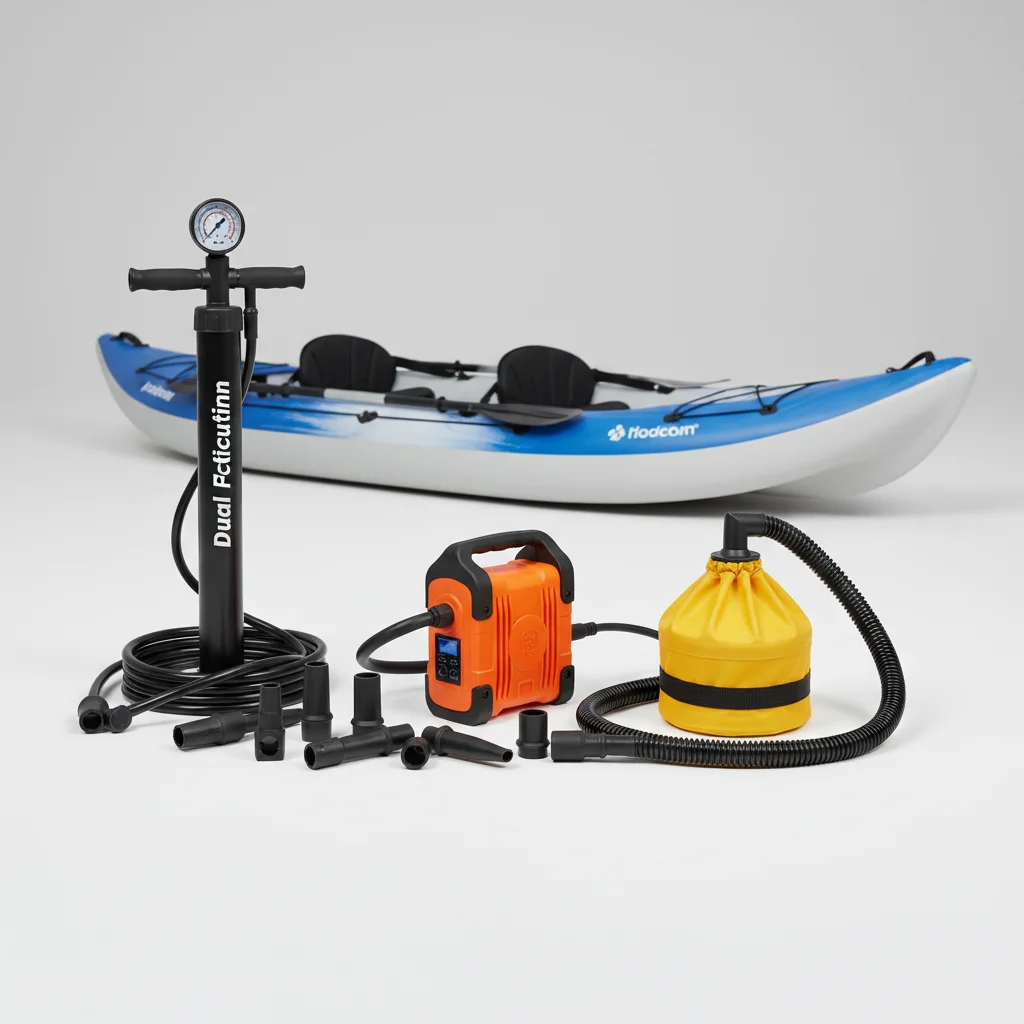
Choosing the right inflatable kayak pump is crucial for a swift and effortless setup, and there are typically three main types to consider: manual hand pumps, foot pumps, and electric pumps. Each offers distinct advantages in terms of speed, portability, and effort required, with electric pumps generally providing the fastest inflation times, often under 10 minutes for a standard recreational kayak.
Understanding Manual Hand Pumps
Manual hand pumps are the most common and often come bundled with inflatable kayaks. They are highly portable, require no external power source, and are excellent for precise inflation, allowing you to reach the recommended PSI without over-inflating. Most hand pumps are double-action, meaning they inflate on both the up and down strokes, significantly speeding up the process compared to single-action models. While they demand more physical effort, their reliability in remote locations makes them a favorite among many paddlers. Look for models with a built-in pressure gauge to ensure optimal inflation. For inflatable kayak buying guides on this site.
The Convenience of Foot Pumps
Foot pumps offer a hands-free alternative to manual hand pumps, making them a good option for those who prefer to use their body weight rather than arm strength. They are typically compact and easy to store, operating by pressing down on a bellows with your foot. While generally slower than hand pumps, they can be less strenuous for some users. Foot pumps are particularly useful for topping off air or for smaller inflatable items, though they might take longer to fully inflate a large kayak from scratch. Ensure the foot pump you choose has a durable construction and a reliable hose connection.
Electric Pumps: Speed and Efficiency
|
Our Picks for the Best Inflatable Kayak in 2026
As an Amazon Associate I earn from qualifying purchases.
|
||
| Num | Product | Action |
|---|---|---|
| 1 | INTEX Challenger Inflatable Kayak Series: Includes Deluxe 86in Kayak Paddles and High-Output Pump – SuperStrong PVC – Adjustable Seat with Backrest – Removable Skeg – Cargo Storage Net |

|
| 2 | Retrospec June Nano Kids Inflatable Fishing Paddle Board SUP Kayak: 9'6" Hybrid Paddleboard with Rod Holders, Removable Seat - Lightweight Portable Youth Fishing Board |
|
| 3 | INTEX Challenger Inflatable Kayak Series: Includes Deluxe 86in Kayak Paddles and High-Output Pump – SuperStrong PVC – Adjustable Seat with Backrest – Removable Skeg – Cargo Storage Net |
|
| 4 | INTEX 68303EP Excursion Pro K1 Inflatable Kayak Set: Includes Deluxe 86in Kayak Paddles and High-Output Pump – SuperTough PVC – Adjustable Bucket Seat – 1-Person – 220lb Weight Capacity |
|
| 5 | GYMAX Inflatable Kayak, 12.5Ft 507lbs Tandem Kayak with 2 Aluminum Paddles, 2 Padded Seats, Footrests, 2 Fins, Hand Pump, Carry Bag & Repair Kit, 2 Person Fishing Touring Kayak for Adults |
|
| 6 | INTEX 68324EP Excursion 4 Inflatable Boat Set: Includes Deluxe 54in Boat Oars and High-Output Pump – Adjustable Seats with Backrest – Fishing Rod Holders – 4-Person – 1100lb Weight Capacity |
|
| 7 | Intex 68309EP Excursion Pro K2 Inflatable Kayak Set: Includes Deluxe 86in Kayak Paddles and High-Output Pump – SuperTough PVC – Adjustable Bucket Seat – 2-Person – 400lb Weight Capacity |
|
| 8 | Intex 68307EP Explorer K2 Inflatable Kayak Set: Includes Deluxe 86in Aluminum Oars and High-Output Pump – SuperStrong PVC – Adjustable Seats with Backrest – 2-Person – 400lb Weight Capacity |
|
| 9 | Intex Challenger K1 Kayak Kit |
|
| 10 | Advanced Elements - AdvancedFrame Sport Inflatable Kayak - Lightweight Day Touring Kayak with Bag and Pump |
|
Electric pumps are the ultimate choice for speed and minimal effort, making them ideal for frequent paddlers or those with larger inflatable kayaks. These pumps can be powered by a car’s 12V outlet or a portable battery pack, quickly inflating your kayak to the desired pressure. Many electric pumps feature automatic shut-off functions once the preset PSI is reached, preventing over-inflation and protecting your vessel. While they are less portable than manual options due to their power requirements, the time saved on setup can be invaluable, allowing you to get on the water faster.Consider a model with both inflation and deflation capabilities to make packing up just as easy.
Key Features to Look For in a Kayak Pump
- Pressure Gauge: Essential for accurate inflation and preventing damage.
- Adapter Nozzles: Ensure compatibility with your kayak’s valve type.
- Durability: Look for robust materials that can withstand outdoor use.
- Portability: Consider size and weight, especially for remote trips.
- Inflation/Deflation Function: A two-way pump saves time and effort.
Maintaining Your Inflatable Kayak Pump
Proper maintenance of your inflatable kayak pump will extend its lifespan and ensure it performs reliably when you need it most. After each use, especially if used near saltwater, rinse the pump with fresh water and allow it to air dry completely before storing. Check the hose and nozzle connections regularly for any cracks or wear, and replace them if necessary. For electric pumps, keep the battery charged and store it in a cool, dry place. Periodically lubricate any moving parts on manual pumps according to the manufacturer’s instructions. A well-maintained pump is a reliable pump, ensuring your paddling adventures start smoothly every time.
