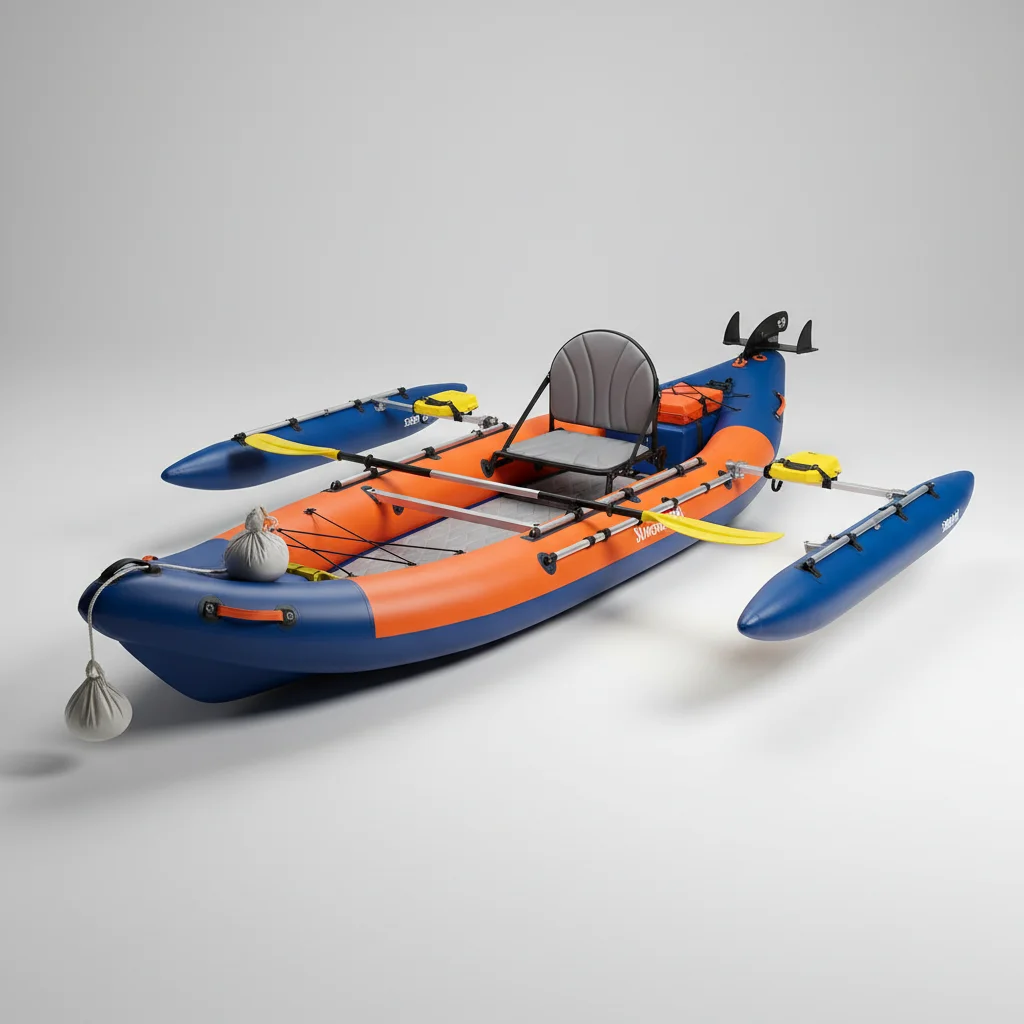
Improving your inflatable kayak’s stability is crucial for a safer and more enjoyable paddling experience. There are several effective methods to enhance stability, including proper weight distribution, adding outriggers, selecting the right kayak design, and utilizing a lower center of gravity. By implementing these strategies, even novice paddlers can feel more secure on the water.
Understanding Inflatable Kayak Design and Stability
The inherent design of an inflatable kayak plays a significant role in its stability. Wider kayaks with flatter bottoms generally offer greater initial stability, making them less prone to tipping. Conversely, narrower kayaks, often designed for speed, will feel less stable. Understanding your kayak’s specific design and its intended use can help you anticipate its behavior on the water. For instance, self-bailing kayaks designed for whitewater might feel less stable in calm conditions due to their higher profile and drainage holes.
The material and construction also contribute. Multi-chamber designs, common in quality inflatable kayaks, not only enhance safety but also add rigidity, which translates to better stability. High-pressure drop-stitch floors, found in many advanced models, mimic the feel of a hard-shell kayak, significantly boosting overall stability and tracking.
Optimizing Weight Distribution and Seating Position
One of the simplest yet most effective ways to improve stability is by optimizing weight distribution. Ensure your body weight and any gear are centered both front-to-back and side-to-side. Sitting too far forward or backward can cause the kayak to trim unevenly, making it feel wobbly. Similarly, placing heavy items on one side will create an imbalance. For solo paddlers in a tandem kayak, sitting in the middle seat position, if available, or slightly forward of center, can provide better balance.
Your seating position also matters. Sitting upright with a slight lean forward helps maintain a low center of gravity. Avoid leaning too far back or to the sides, especially when reaching for items or paddling vigorously. Adjusting your seat to a comfortable height that allows your knees to be slightly bent and braced against the kayak’s sides can provide additional points of contact and control, further enhancing stability.
Adding Stability Enhancements: Outriggers and Skegs
|
Our Picks for the Best Inflatable Kayak in 2026
As an Amazon Associate I earn from qualifying purchases.
|
||
| Num | Product | Action |
|---|---|---|
| 1 | Intex 68309EP Excursion Pro K2 Inflatable Kayak Set: Includes Deluxe 86in Kayak Paddles and High-Output Pump – SuperTough PVC – Adjustable Bucket Seat – 2-Person – 400lb Weight Capacity |

|
| 2 | INTEX 68324EP Excursion 4 Inflatable Boat Set: Includes Deluxe 54in Boat Oars and High-Output Pump – Adjustable Seats with Backrest – Fishing Rod Holders – 4-Person – 1100lb Weight Capacity |
|
| 3 | GYMAX Inflatable Kayak, 12.5Ft 507lbs Tandem Kayak with 2 Aluminum Paddles, 2 Padded Seats, Footrests, 2 Fins, Hand Pump, Carry Bag & Repair Kit, 2 Person Fishing Touring Kayak for Adults |
|
| 4 | INTEX Challenger Inflatable Kayak Series: Includes Deluxe 86in Kayak Paddles and High-Output Pump – SuperStrong PVC – Adjustable Seat with Backrest – Removable Skeg – Cargo Storage Net |
|
| 5 | Retrospec June Nano Kids Inflatable Fishing Paddle Board SUP Kayak: 9'6" Hybrid Paddleboard with Rod Holders, Removable Seat - Lightweight Portable Youth Fishing Board |
|
| 6 | Advanced Elements - AdvancedFrame Sport Inflatable Kayak - Lightweight Day Touring Kayak with Bag and Pump |
|
| 7 | Intex 68307EP Explorer K2 Inflatable Kayak Set: Includes Deluxe 86in Aluminum Oars and High-Output Pump – SuperStrong PVC – Adjustable Seats with Backrest – 2-Person – 400lb Weight Capacity |
|
| 8 | INTEX 68303EP Excursion Pro K1 Inflatable Kayak Set: Includes Deluxe 86in Kayak Paddles and High-Output Pump – SuperTough PVC – Adjustable Bucket Seat – 1-Person – 220lb Weight Capacity |
|
| 9 | Intex Challenger K1 Kayak Kit |
|
| 10 | INTEX Challenger Inflatable Kayak Series: Includes Deluxe 86in Kayak Paddles and High-Output Pump – SuperStrong PVC – Adjustable Seat with Backrest – Removable Skeg – Cargo Storage Net |
|
For those seeking a significant boost in stability, especially for activities like fishing or photography, adding outriggers is an excellent solution. Outriggers, also known as pontoons or stabilizers, attach to the sides of your kayak and provide a wider base, making it virtually impossible to tip over. They are particularly beneficial for standing in the kayak or navigating choppy waters.
While not directly enhancing stability in terms of preventing capsizing, a good skeg or fin significantly improves tracking, which can indirectly contribute to a feeling of stability. A kayak that tracks straight requires less corrective paddling, allowing you to focus on balance rather than constantly adjusting your direction. Many inflatable kayaks come with removable skegs, and ensuring it’s properly installed can make a noticeable difference.
Paddling Techniques and Environmental Awareness
Your paddling technique can also influence stability. Smooth, controlled strokes, rather than jerky or powerful ones, will keep the kayak more stable. Keep your paddle low to the water, using it as a brace if you feel unsteady. A “low brace” technique, where you slap the water with the flat of your paddle blade, can quickly regain balance.
- Maintain a low center of gravity by sitting upright.
- Use smooth, controlled paddle strokes.
- Keep your eyes focused on the horizon, not your feet.
- Avoid sudden, jerky movements within the kayak.
- Practice self-rescue techniques in shallow water.
Environmental factors like wind and waves can drastically affect stability. Always check weather conditions before heading out. When encountering waves, try to paddle into them at a slight angle rather than broadside, which can cause the kayak to roll. In windy conditions, paddling closer to shore or in sheltered coves can provide a calmer experience.
Choosing the Right Inflatable Kayak for Stability Needs
If stability is a primary concern, consider kayaks specifically designed with features that enhance it. Look for models with a wider beam (width), a flatter hull shape, and multiple air chambers. Self-bailing features, while great for whitewater, can sometimes make a kayak feel less stable on flat water due to the higher seating position. For beginners or those prioritizing stability, a sit-on-top inflatable kayak often provides a more secure feeling than a sit-inside model due to its open deck and lower center of gravity.

Lowering my center of gravity was a game-changer for me. I used to sit up pretty straight, but leaning forward slightly and keeping my body relaxed has made my kayak feel so much more secure. It’s such a simple adjustment but it really works, especially when you hit a bit of chop. Great advice for anyone feeling a bit unsteady.
I tried adding outriggers to my kayak after reading about them, and while they definitely helped with stability, they were a bit of a pain to set up and take down every time. It’s a good solution for really calm water, but I found them cumbersome when I was trying to get going quickly. Still, for beginners, it’s a solid option.
My old inflatable was super narrow and I always felt like I was going to tip over. When I upgraded, I specifically looked for a wider kayak with a flatter bottom, and the difference is night and day. It’s so much more stable now, even when I’m just getting in or out. Understanding the design really helped me make a better choice this time around.
I always struggled with feeling a bit wobbly in my inflatable, especially when trying to fish. The tip about proper weight distribution made a huge difference! I used to just toss my gear wherever, but now I’m much more mindful, and it’s made my time on the water so much more relaxing. Definitely recommend paying attention to how you load up.