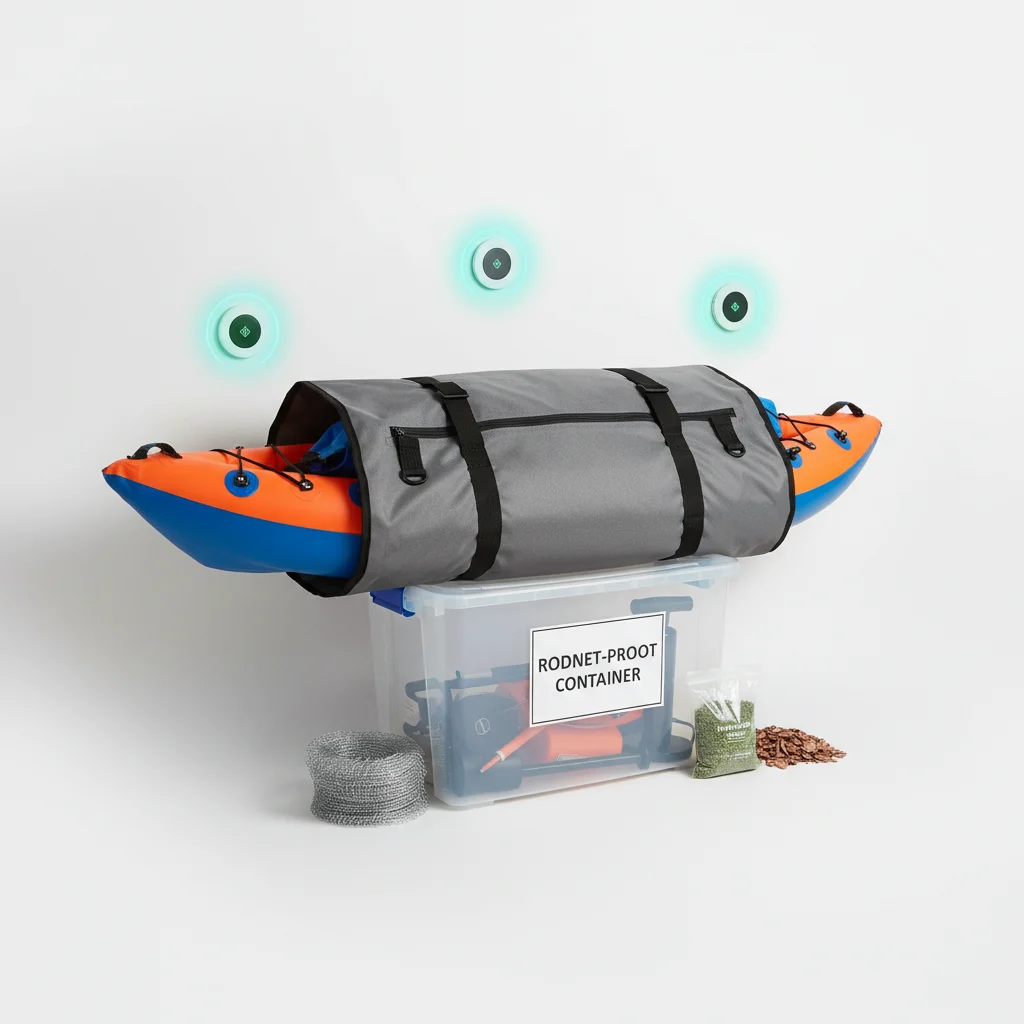
Protecting your inflatable kayak from rodents during storage is crucial for its longevity. The most effective method involves a multi-pronged approach: thorough cleaning, proper drying, sealing in a rodent-proof container, and using deterrents. Rodents can cause significant damage by chewing through PVC and fabric, leading to costly repairs or even rendering your kayak unusable. By implementing these strategies, you can safeguard your investment from unwanted pests.
Why Rodents are a Threat to Inflatable Kayaks
Rodents, including mice, rats, and squirrels, are attracted to sheltered spaces and can be particularly destructive to stored items. Inflatable kayaks, with their soft materials and potential for lingering food odors, present an inviting target. They can chew through the kayak’s fabric to build nests, access food remnants, or simply to sharpen their teeth. Even a small hole can compromise the kayak’s integrity and inflation capabilities, making it unsafe for use.
Pre-Storage Cleaning and Drying
Before storing your inflatable kayak, a meticulous cleaning and drying process is essential. Remove all debris, sand, and any food particles that might attract pests. Wash the kayak thoroughly with mild soap and water, paying close attention to seams and crevices. After washing, ensure the kayak is completely dry, both inside and out, to prevent mold and mildew, which can also attract pests and degrade the material. Inflate it partially and let it air dry in a well-ventilated area for several days, flipping it periodically.
Choosing the Right Rodent-Proof Container
|
Our Picks for the Best Inflatable Kayak in 2026
As an Amazon Associate I earn from qualifying purchases.
|
||
| Num | Product | Action |
|---|---|---|
| 1 | Advanced Elements - AdvancedFrame Sport Inflatable Kayak - Lightweight Day Touring Kayak with Bag and Pump |

|
| 2 | Intex 68309EP Excursion Pro K2 Inflatable Kayak Set: Includes Deluxe 86in Kayak Paddles and High-Output Pump – SuperTough PVC – Adjustable Bucket Seat – 2-Person – 400lb Weight Capacity |
|
| 3 | INTEX Challenger Inflatable Kayak Series: Includes Deluxe 86in Kayak Paddles and High-Output Pump – SuperStrong PVC – Adjustable Seat with Backrest – Removable Skeg – Cargo Storage Net |
|
| 4 | Intex 68307EP Explorer K2 Inflatable Kayak Set: Includes Deluxe 86in Aluminum Oars and High-Output Pump – SuperStrong PVC – Adjustable Seats with Backrest – 2-Person – 400lb Weight Capacity |
|
| 5 | INTEX 68303EP Excursion Pro K1 Inflatable Kayak Set: Includes Deluxe 86in Kayak Paddles and High-Output Pump – SuperTough PVC – Adjustable Bucket Seat – 1-Person – 220lb Weight Capacity |
|
| 6 | Retrospec June Nano Kids Inflatable Fishing Paddle Board SUP Kayak: 9'6" Hybrid Paddleboard with Rod Holders, Removable Seat - Lightweight Portable Youth Fishing Board |
|
| 7 | Intex Challenger K1 Kayak Kit |
|
| 8 | GYMAX Inflatable Kayak, 12.5Ft 507lbs Tandem Kayak with 2 Aluminum Paddles, 2 Padded Seats, Footrests, 2 Fins, Hand Pump, Carry Bag & Repair Kit, 2 Person Fishing Touring Kayak for Adults |
|
| 9 | INTEX 68324EP Excursion 4 Inflatable Boat Set: Includes Deluxe 54in Boat Oars and High-Output Pump – Adjustable Seats with Backrest – Fishing Rod Holders – 4-Person – 1100lb Weight Capacity |
|
| 10 | INTEX Challenger Inflatable Kayak Series: Includes Deluxe 86in Kayak Paddles and High-Output Pump – SuperStrong PVC – Adjustable Seat with Backrest – Removable Skeg – Cargo Storage Net |
|
Once clean and dry, the next step is to store your inflatable kayak in a container that rodents cannot penetrate. Heavy-duty plastic storage bins with secure, locking lids are an excellent choice. Avoid cardboard boxes, as rodents can easily chew through them. For larger kayaks, consider a thick, durable canvas bag specifically designed for outdoor gear, but ensure it’s placed inside a hard-sided container or in a location where rodents cannot access it. Some owners even use metal trash cans with tight-fitting lids for smaller models.
- Heavy-duty plastic bins with locking lids
- Thick, durable canvas bags (when combined with hard-sided protection)
- Metal trash cans with secure lids
- Airtight, sealed containers
- Elevated storage solutions
Implementing Rodent Deterrents
Beyond physical barriers, incorporating rodent deterrents can provide an extra layer of protection. Peppermint oil, dryer sheets, and cedar chips are natural repellents that can be placed around the storage area or even inside the sealed container (though ensure they don’t directly contact the kayak material for extended periods). Ultrasonic pest repellers can also be effective in enclosed spaces. Regularly inspect your storage area for any signs of rodent activity, such as droppings or gnaw marks, and address them immediately.
Optimal Storage Locations
The location where you store your inflatable kayak also plays a significant role in rodent prevention. Garages, sheds, and basements are common storage spots, but they are also prime habitats for rodents. If possible, store your kayak in an elevated position, off the floor, to make it less accessible. Consider using shelving units or hanging it from the ceiling if your space allows. Ensure the storage area is clean, clutter-free, and free of any food sources that might attract pests. Regularly check the area for any entry points that rodents might use and seal them.

I used to just toss my kayak in the garage, but after reading about how rodents can chew through PVC, I got serious. The tip about thorough cleaning and drying before sealing it up in a container has been a game-changer. No more worrying about finding holes next spring!
While the advice on rodent-proof containers is solid, I wish there were more specific recommendations for brands or types that are actually affordable. It feels like a lot of the really secure options are pretty pricey, especially for larger kayaks. Still, the warning about lingering food odors was a good reminder.
Good advice here. I’ve had issues with mice in my shed before, so the idea of using deterrents is something I’m definitely going to try this winter. My Intex Explorer has been through a lot, and I really don’t want to replace it because of some tiny pests.
This was super helpful! I never really considered squirrels as a threat to my inflatable, but it makes total sense. I’m definitely going to be more diligent about sealing my kayak in a hard-sided bin now. Protecting my investment is key, and this gave me the steps I needed.