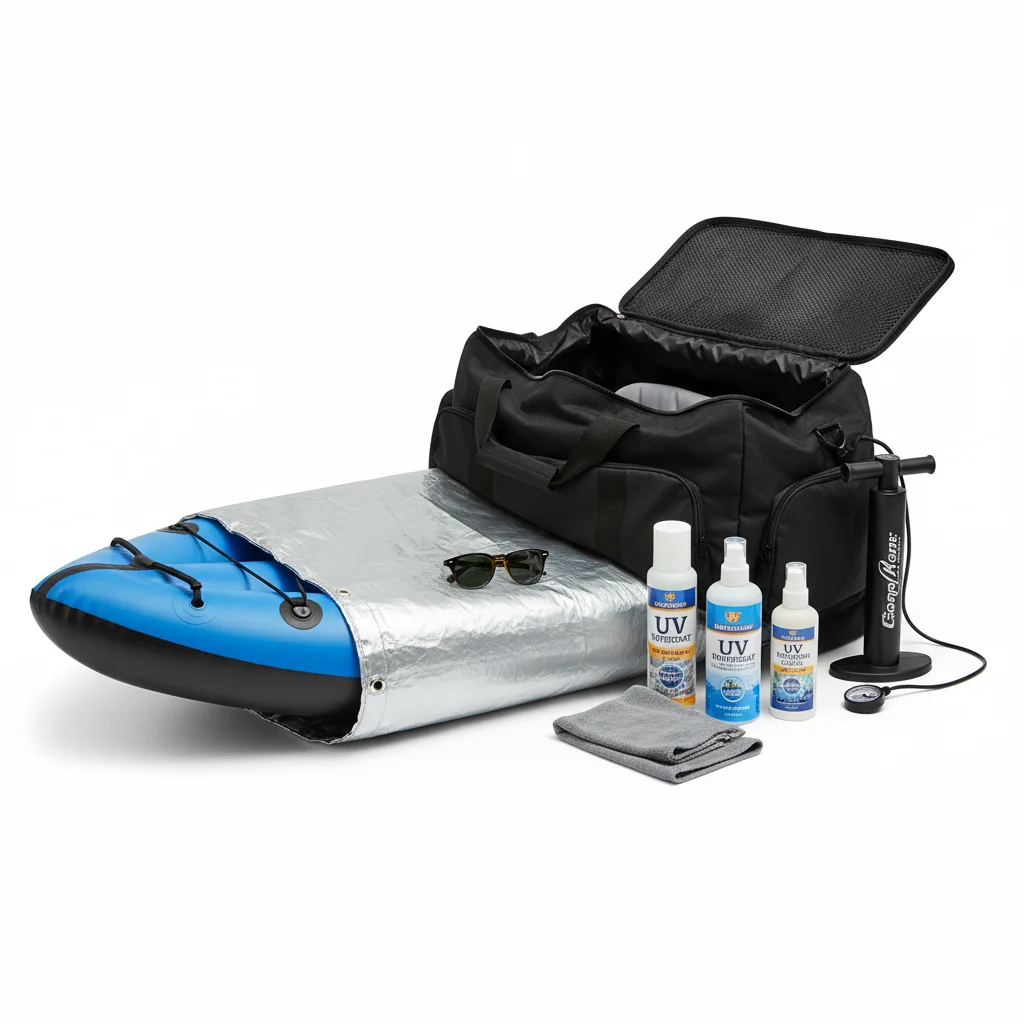
Protecting your inflatable kayak from sun damage is crucial for its longevity and performance. Direct and prolonged exposure to ultraviolet (UV) rays can degrade the PVC or Hypalon material, leading to fading, brittleness, and eventual leaks. The best way to protect your inflatable kayak from sun damage is by storing it in a cool, dry, and shaded area, ideally indoors, and by using UV protectants when outdoor storage is unavoidable. This proactive approach can extend the lifespan of your kayak by several years.
Understanding UV Damage to Inflatable Kayaks
UV radiation from the sun breaks down the chemical bonds in the materials used to construct inflatable kayaks. For PVC kayaks, this can cause plasticizers to leach out, making the material stiff and prone to cracking. Hypalon, while more UV resistant, can still suffer from surface degradation over time, leading to a chalky appearance and reduced flexibility. The intensity of UV exposure, duration, and the specific material composition all play a role in how quickly damage occurs. Even indirect sunlight can contribute to this degradation over extended periods.
Best Practices for Indoor Storage
Indoor storage offers the most effective protection against sun damage. After each use, ensure your inflatable kayak is thoroughly cleaned and completely dry to prevent mold and mildew. Partially deflate it to relieve pressure on seams, but avoid deflating it entirely if you plan to use it again soon, as this can make re-inflation quicker. Store it in a garage, basement, or shed where it’s not exposed to direct sunlight or extreme temperature fluctuations. Hanging the kayak can also help maintain its shape and keep it off the floor, preventing potential rodent damage or contact with harsh chemicals.
- Clean and dry thoroughly before storage.
- Store in a cool, dry, and dark environment.
- Partially deflate to reduce seam stress.
- Consider hanging to maintain shape and prevent floor contact.
- Keep away from chemicals and sharp objects.
Outdoor Storage Solutions and UV Protection
|
Our Picks for the Best Inflatable Kayak in 2026
As an Amazon Associate I earn from qualifying purchases.
|
||
| Num | Product | Action |
|---|---|---|
| 1 | INTEX Challenger Inflatable Kayak Series: Includes Deluxe 86in Kayak Paddles and High-Output Pump – SuperStrong PVC – Adjustable Seat with Backrest – Removable Skeg – Cargo Storage Net |

|
| 2 | Intex 68309EP Excursion Pro K2 Inflatable Kayak Set: Includes Deluxe 86in Kayak Paddles and High-Output Pump – SuperTough PVC – Adjustable Bucket Seat – 2-Person – 400lb Weight Capacity |
|
| 3 | GYMAX Inflatable Kayak, 12.5Ft 507lbs Tandem Kayak with 2 Aluminum Paddles, 2 Padded Seats, Footrests, 2 Fins, Hand Pump, Carry Bag & Repair Kit, 2 Person Fishing Touring Kayak for Adults |
|
| 4 | Intex Challenger K1 Kayak Kit |
|
| 5 | Retrospec June Nano Kids Inflatable Fishing Paddle Board SUP Kayak: 9'6" Hybrid Paddleboard with Rod Holders, Removable Seat - Lightweight Portable Youth Fishing Board |
|
| 6 | INTEX Challenger Inflatable Kayak Series: Includes Deluxe 86in Kayak Paddles and High-Output Pump – SuperStrong PVC – Adjustable Seat with Backrest – Removable Skeg – Cargo Storage Net |
|
| 7 | Intex 68307EP Explorer K2 Inflatable Kayak Set: Includes Deluxe 86in Aluminum Oars and High-Output Pump – SuperStrong PVC – Adjustable Seats with Backrest – 2-Person – 400lb Weight Capacity |
|
| 8 | INTEX 68324EP Excursion 4 Inflatable Boat Set: Includes Deluxe 54in Boat Oars and High-Output Pump – Adjustable Seats with Backrest – Fishing Rod Holders – 4-Person – 1100lb Weight Capacity |
|
| 9 | Advanced Elements - AdvancedFrame Sport Inflatable Kayak - Lightweight Day Touring Kayak with Bag and Pump |
|
| 10 | INTEX 68303EP Excursion Pro K1 Inflatable Kayak Set: Includes Deluxe 86in Kayak Paddles and High-Output Pump – SuperTough PVC – Adjustable Bucket Seat – 1-Person – 220lb Weight Capacity |
|
If indoor storage isn’t an option, outdoor storage requires additional measures. A dedicated kayak cover made from UV-resistant material is essential. Look for covers designed specifically for kayaks, ensuring a snug fit to prevent wind from dislodging it. Placing the kayak under a tarp or in a shaded area, such as beneath a deck or large tree, can further reduce sun exposure. Regularly applying a marine-grade UV protectant spray or balm to the kayak’s surface can also create a barrier against harmful rays. These products often contain ingredients that block or absorb UV light, slowing down material degradation.
Remember that even with UV protectants, continuous outdoor exposure will eventually take its toll. For long-term outdoor storage, consider a more robust solution like a small shed or a dedicated storage box.These options provide superior protection from both sun and weather elements, significantly extending your kayak’s life. Always check the manufacturer’s recommendations for specific care instructions related to your kayak’s material.
Choosing the Right UV Protectant
When selecting a UV protectant for your inflatable kayak, look for products specifically formulated for PVC, Hypalon, or marine vinyl. Products like 303 Aerospace Protectant are highly regarded for their ability to restore color and sheen while providing excellent UV protection. Avoid petroleum-based products, as these can actually degrade certain kayak materials over time. Apply the protectant evenly to a clean, dry surface, and allow it to cure according to the product’s instructions. Regular reapplication, especially after cleaning or prolonged sun exposure, is key to maintaining effective protection.Investing in a quality UV protectant is a small cost compared to the expense of replacing a sun-damaged kayak.
