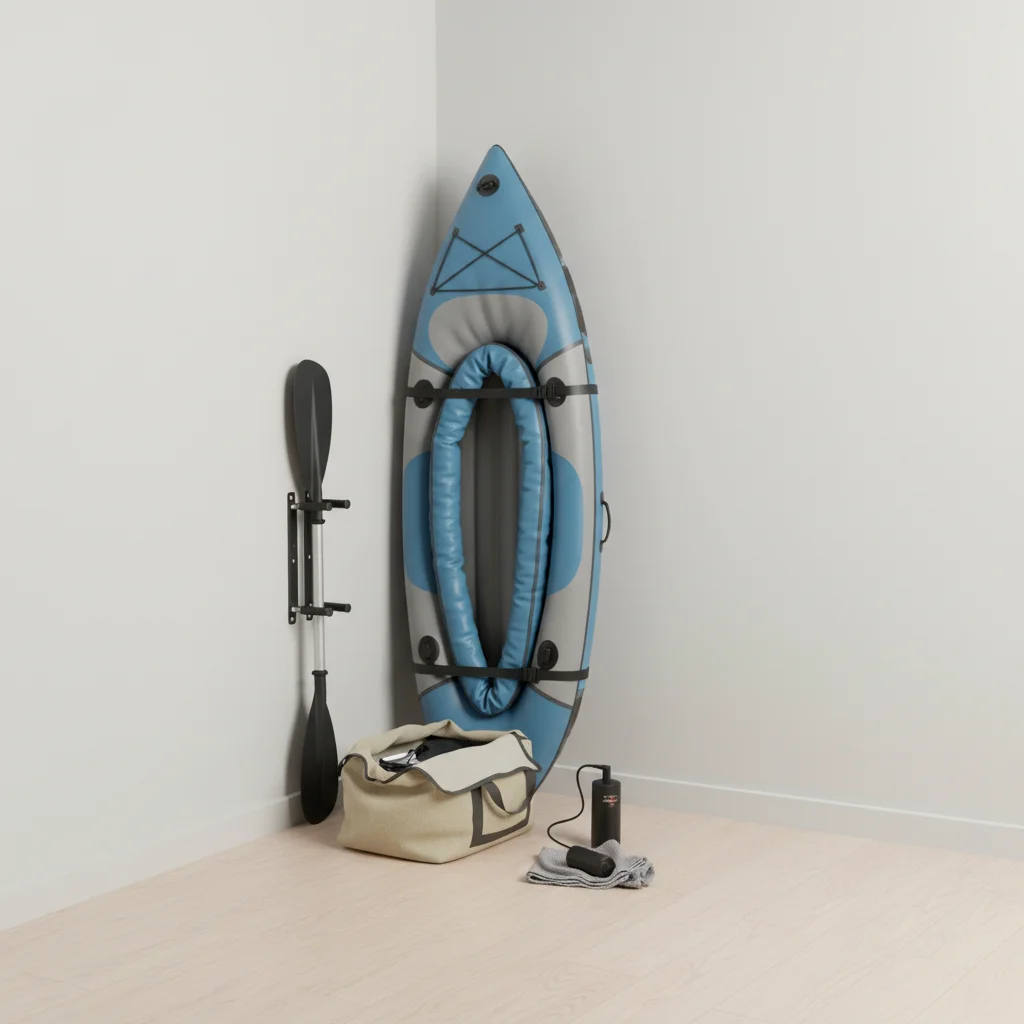
Storing an inflatable kayak in a small apartment is most effective by deflating, cleaning, and then either rolling or folding it for compact storage in a dedicated bag, under a bed, or in a closet. This method ensures the kayak remains protected and doesn’t clutter living areas, making it feasible even in confined urban dwellings. Strategic planning and utilizing vertical space are key to maximizing storage in limited environments.
When space is at a premium, every inch counts. Inflatable kayaks, while convenient for transport, still demand thoughtful storage solutions to prevent damage and maintain a tidy home. The key is to minimize their footprint when not in use, transforming them from a bulky item into a manageable, storable piece of gear. For inflatable kayak buying guides on this site.
Preparing Your Kayak for Compact Storage
Before stowing your inflatable kayak, proper preparation is crucial for its longevity and to prevent mildew or odors. Begin by thoroughly cleaning the kayak with fresh water and a mild soap, removing all dirt, sand, and salt residue. Pay close attention to seams and valves. After cleaning, ensure the kayak is completely dry, inside and out. Any residual moisture can lead to mold and mildew growth, which can degrade the material over time and create unpleasant smells. Once dry, partially inflate the kayak to check for any small leaks that might have gone unnoticed during your last outing, addressing them before storage.
Optimal Folding and Rolling Techniques
The way you fold or roll your inflatable kayak significantly impacts its stored size. For most models, a tight roll is often more effective than folding for minimizing bulk. Start by deflating the kayak completely, ensuring all air is expelled. Lay it flat and smooth out any wrinkles. Begin rolling from one end, applying gentle pressure to keep the roll tight and even. If folding, aim for neat, symmetrical folds that align with the kayak’s natural creases. Avoid sharp, permanent creases that could weaken the material over time. Many kayaks come with a storage bag designed to accommodate a specific folding or rolling method, so consult your owner’s manual for the manufacturer’s recommendations.
- Completely deflate and clean the kayak.
- Ensure the kayak is bone dry to prevent mold.
- Roll tightly from one end, expelling any remaining air.
- Alternatively, fold neatly along existing creases.
- Store in a breathable bag to protect from dust and pests.
Utilizing Vertical and Under-Bed Space
|
Our Picks for the Best Inflatable Kayak in 2026
As an Amazon Associate I earn from qualifying purchases.
|
||
| Num | Product | Action |
|---|---|---|
| 1 | Intex 68309EP Excursion Pro K2 Inflatable Kayak Set: Includes Deluxe 86in Kayak Paddles and High-Output Pump – SuperTough PVC – Adjustable Bucket Seat – 2-Person – 400lb Weight Capacity |

|
| 2 | Intex 68307EP Explorer K2 Inflatable Kayak Set: Includes Deluxe 86in Aluminum Oars and High-Output Pump – SuperStrong PVC – Adjustable Seats with Backrest – 2-Person – 400lb Weight Capacity |
|
| 3 | Intex Challenger K1 Kayak Kit |
|
| 4 | INTEX Challenger Inflatable Kayak Series: Includes Deluxe 86in Kayak Paddles and High-Output Pump – SuperStrong PVC – Adjustable Seat with Backrest – Removable Skeg – Cargo Storage Net |
|
| 5 | GYMAX Inflatable Kayak, 12.5Ft 507lbs Tandem Kayak with 2 Aluminum Paddles, 2 Padded Seats, Footrests, 2 Fins, Hand Pump, Carry Bag & Repair Kit, 2 Person Fishing Touring Kayak for Adults |
|
| 6 | INTEX 68303EP Excursion Pro K1 Inflatable Kayak Set: Includes Deluxe 86in Kayak Paddles and High-Output Pump – SuperTough PVC – Adjustable Bucket Seat – 1-Person – 220lb Weight Capacity |
|
| 7 | INTEX Challenger Inflatable Kayak Series: Includes Deluxe 86in Kayak Paddles and High-Output Pump – SuperStrong PVC – Adjustable Seat with Backrest – Removable Skeg – Cargo Storage Net |
|
| 8 | INTEX 68324EP Excursion 4 Inflatable Boat Set: Includes Deluxe 54in Boat Oars and High-Output Pump – Adjustable Seats with Backrest – Fishing Rod Holders – 4-Person – 1100lb Weight Capacity |
|
| 9 | Retrospec June Nano Kids Inflatable Fishing Paddle Board SUP Kayak: 9'6" Hybrid Paddleboard with Rod Holders, Removable Seat - Lightweight Portable Youth Fishing Board |
|
| 10 | Advanced Elements - AdvancedFrame Sport Inflatable Kayak - Lightweight Day Touring Kayak with Bag and Pump |
|
Small apartments often have untapped vertical space. Consider investing in a wall-mounted storage rack or heavy-duty hooks if your kayak can be hung without putting undue stress on its material. For under-bed storage, look for low-profile, airtight containers or specialized storage bags that can slide easily. These options keep your kayak out of sight and protected from dust and potential damage. Distribute the weight evenly if hanging to prevent distortion of the kayak’s shape over time.
Climate Control and Pest Prevention
Regardless of where you store your inflatable kayak, maintaining a stable environment is vital. Avoid extreme temperature fluctuations, as these can degrade the PVC or Hypalon material. A cool, dry place is ideal. Garages or attics can be too hot or too cold, potentially shortening the kayak’s lifespan. Protect your kayak from pests like rodents and insects, which can chew through fabric or build nests. Using sealed containers or pest-repellent sachets can offer an extra layer of protection. Regularly inspect your stored kayak for any signs of damage or infestation.
Long-Term Storage Considerations
For long-term storage, it’s beneficial to partially inflate your kayak to about 50% of its recommended pressure. This helps maintain its shape and prevents the material from developing permanent creases or sticking together. If you opt for full deflation, ensure the kayak is stored flat or loosely rolled to avoid stress points. Periodically, it’s a good practice to take the kayak out, unfold or unroll it, and allow it to air out for a few hours, especially if stored in a very compact manner. This simple step can significantly extend the life of your inflatable kayak.
Frequently Asked Questions
What is the best way to store an inflatable kayak in a small apartment?
The best way to store an inflatable kayak in a small apartment is to thoroughly clean and dry it, then deflate and roll or fold it compactly. Store it in a dedicated bag, under a bed, or in a closet to maximize space. This method ensures protection and minimizes clutter.
How do I prepare my inflatable kayak for storage?
To prepare your inflatable kayak for storage, clean it with fresh water and mild soap to remove all dirt and salt. Ensure it is completely dry to prevent mold and mildew. Partially inflate it to check for any leaks before stowing it away.
Should I fold or roll my inflatable kayak for storage?
For most inflatable kayaks, a tight roll is more effective than folding for minimizing bulk and preventing sharp creases. Always consult your owner's manual for the manufacturer's specific recommendations on folding or rolling techniques to maintain material integrity.
How can I use vertical space for kayak storage in an apartment?
You can use vertical space by investing in a wall-mounted storage rack or heavy-duty hooks, provided your kayak's material can handle hanging without stress. Ensure weight is distributed evenly to prevent distortion. This keeps the kayak off the floor and out of sight.
What are the ideal environmental conditions for storing an inflatable kayak?
The ideal environmental conditions for storing an inflatable kayak are a cool, dry place with stable temperatures. Avoid extreme fluctuations that can degrade PVC or Hypalon materials. Protect it from pests like rodents and insects using sealed containers or repellents.
How to Store an Inflatable Kayak in a Small Apartment
Learn the best practices for cleaning, folding, and storing your inflatable kayak to maximize space and ensure its longevity in a small apartment.
Thoroughly clean your inflatable kayak with fresh water and mild soap, removing all dirt, sand, and salt. Ensure the kayak is completely dry, inside and out, to prevent mold and mildew growth which can degrade the material.
Completely deflate the kayak, expelling all air. Lay it flat and smooth out wrinkles. Roll tightly from one end or fold neatly along natural creases, avoiding sharp folds that could weaken the material over time.
Store the compactly rolled or folded kayak in a dedicated storage bag, under a bed in a low-profile container, or in a closet. Consider wall-mounted racks or heavy-duty hooks for vertical storage if appropriate for your kayak's material.
Store your kayak in a cool, dry place away from extreme temperature fluctuations. Protect it from pests like rodents and insects using sealed containers or pest-repellent sachets to prevent damage and extend its lifespan.

Good advice here, especially about making sure the kayak is completely dry before folding it. I learned that the hard way once with some mildew, so now I’m super careful. My only minor complaint is that even rolled up, my tandem kayak is still a bit bulky for my small closet, but it’s better than nothing.
While the tips are helpful for compact storage, I found that even with strategic planning, my kayak still takes up a fair bit of room. The idea of utilizing vertical space is good, but I don’t really have any in my current apartment. It’s better than just leaving it out, but it’s not a miracle solution for super tiny places.
I used to dread bringing my inflatable kayak home because I live in a tiny studio, but the tip about rolling it up and storing it under the bed has been a game-changer. It’s so much easier than trying to find closet space, and it keeps my living area from feeling cluttered. Definitely recommend following these steps for anyone with limited space!
The emphasis on cleaning and deflating properly before storage is spot on. I used to just quickly wipe mine down, but taking the extra time really does make a difference in keeping it in good condition. Now it fits perfectly in its dedicated bag without any issues, even in my small apartment.