Transporting an inflatable kayak is surprisingly straightforward, offering several convenient methods to get your vessel from home to the water. The most common approaches include using a dedicated kayak cart, a roof rack for longer distances, or simply deflating and packing it into a backpack or duffel bag for ultimate portability.
Kayak Carts: Effortless Shoreline Hauling
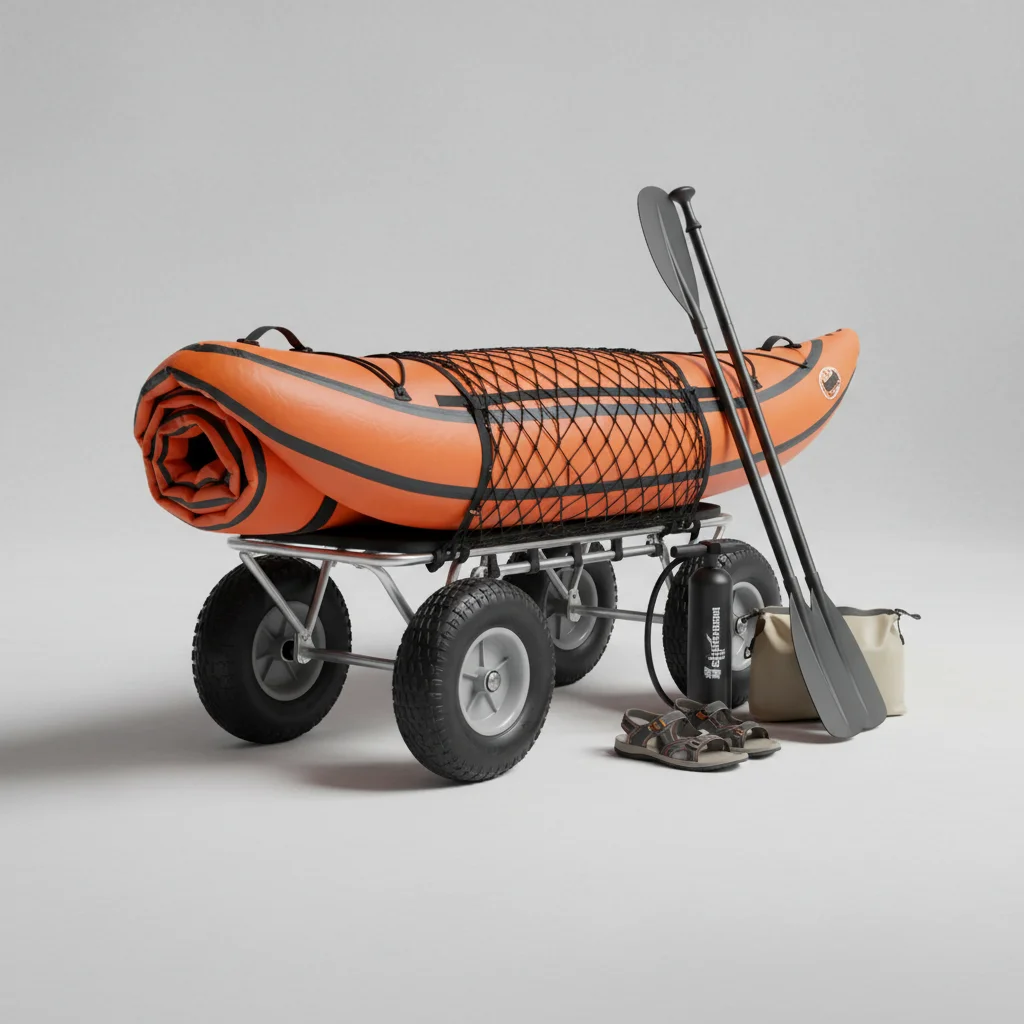
For short to medium distances from your vehicle to the launch point, a kayak cart is an invaluable accessory. These carts typically feature two wheels and a frame that cradles your deflated or partially inflated kayak, allowing you to roll it with minimal effort. Look for carts with sturdy, all-terrain wheels if you frequently navigate sandy beaches or rocky paths. Some models even fold down for easy storage in your kayak’s bag.
When using a cart, ensure your kayak is securely strapped to prevent shifting during transport. This method is ideal for paddlers who want to avoid lifting heavy loads or those with limited upper body strength.
Roof Racks: Secure Travel for Longer Journeys
For longer drives to distant lakes or rivers, a roof rack on your car provides the most secure and efficient transport solution. While inflatable kayaks can be deflated and packed, many paddlers prefer to transport them partially or fully inflated to save time at the launch site. A standard roof rack with foam blocks or a dedicated kayak cradle can safely secure your inflatable kayak, preventing damage and ensuring it stays put at highway speeds.
Always double-check your straps before departing and periodically during long trips. Consider adding bow and stern lines for extra security, especially if you’re transporting a larger tandem inflatable kayak.
Backpacks and Duffel Bags: The Ultimate Portability
|
Our Picks for the Best Inflatable Kayak in 2026
As an Amazon Associate I earn from qualifying purchases.
|
||
| Num | Product | Action |
|---|---|---|
| 1 | GYMAX Inflatable Kayak, 12.5Ft 507lbs Tandem Kayak with 2 Aluminum Paddles, 2 Padded Seats, Footrests, 2 Fins, Hand Pump, Carry Bag & Repair Kit, 2 Person Fishing Touring Kayak for Adults |

|
| 2 | INTEX 68303EP Excursion Pro K1 Inflatable Kayak Set: Includes Deluxe 86in Kayak Paddles and High-Output Pump – SuperTough PVC – Adjustable Bucket Seat – 1-Person – 220lb Weight Capacity |
|
| 3 | Intex 68309EP Excursion Pro K2 Inflatable Kayak Set: Includes Deluxe 86in Kayak Paddles and High-Output Pump – SuperTough PVC – Adjustable Bucket Seat – 2-Person – 400lb Weight Capacity |
|
| 4 | Intex Challenger K1 Kayak Kit |
|
| 5 | Intex 68307EP Explorer K2 Inflatable Kayak Set: Includes Deluxe 86in Aluminum Oars and High-Output Pump – SuperStrong PVC – Adjustable Seats with Backrest – 2-Person – 400lb Weight Capacity |
|
| 6 | INTEX Challenger Inflatable Kayak Series: Includes Deluxe 86in Kayak Paddles and High-Output Pump – SuperStrong PVC – Adjustable Seat with Backrest – Removable Skeg – Cargo Storage Net |
|
| 7 | Advanced Elements - AdvancedFrame Sport Inflatable Kayak - Lightweight Day Touring Kayak with Bag and Pump |
|
| 8 | INTEX Challenger Inflatable Kayak Series: Includes Deluxe 86in Kayak Paddles and High-Output Pump – SuperStrong PVC – Adjustable Seat with Backrest – Removable Skeg – Cargo Storage Net |
|
| 9 | INTEX 68324EP Excursion 4 Inflatable Boat Set: Includes Deluxe 54in Boat Oars and High-Output Pump – Adjustable Seats with Backrest – Fishing Rod Holders – 4-Person – 1100lb Weight Capacity |
|
| 10 | Retrospec June Nano Kids Inflatable Fishing Paddle Board SUP Kayak: 9'6" Hybrid Paddleboard with Rod Holders, Removable Seat - Lightweight Portable Youth Fishing Board |
|
One of the greatest advantages of inflatable kayaks is their ability to pack down into a compact size, making them perfect for transport in a backpack or duffel bag. This method is ideal for hikers, public transport users, or those with limited vehicle space. Most inflatable kayaks come with a carry bag designed for this purpose, often with shoulder straps for comfortable carrying.
When packing, ensure the kayak is thoroughly dry to prevent mold and mildew. Roll or fold it according to the manufacturer’s instructions to maximize compactness and protect the material. This method allows you to reach remote launch sites inaccessible by car.
- Always dry your kayak completely before packing to prevent mold.
- Use a dedicated kayak cart for easy short-distance hauling.
- Securely strap your kayak to a roof rack for highway travel.
- Consider a backpack for ultimate portability and remote access.
- Check tire pressure on kayak carts for optimal performance.
Public Transport and Air Travel Considerations
For urban paddlers or those planning international trips, transporting an inflatable kayak via public transport or air travel is entirely feasible. When using buses or trains, ensure your kayak is packed in its carry bag and meets the luggage size and weight restrictions of the service. For air travel, treat your inflatable kayak like any other checked baggage. Confirm the airline’s baggage policies regarding size and weight, and consider a durable travel bag to protect it from rough handling.
Always label your bag clearly with your contact information. Some airlines may require special handling for oversized items, so it’s wise to check in advance.
Choosing the Right Transport Method for Your Trip
The best transport method for your inflatable kayak depends on several factors: the distance to your launch site, the type of terrain, your physical capabilities, and the available space in your vehicle. For quick local paddles, a cart might suffice. For weekend getaways, a roof rack offers convenience. And for adventurous expeditions, a backpack is your best friend.
Investing in the right transport accessories can significantly enhance your paddling experience, making it easier to get on the water and enjoy your inflatable kayak.Always prioritize safety and secure your kayak properly, regardless of the method chosen.

I used to dread getting my kayak from the car to the lake, especially with all my gear. Getting a good kayak cart like the ones mentioned here has been a game-changer. It makes those longer hauls across the sand so much easier, and I can even fit my paddle and life vest on it. Definitely recommend investing in one if you’re tired of multiple trips!
I tried using a roof rack for my inflatable once, thinking it would be easier for longer drives. While it kept the kayak secure, getting it up there and strapped down was more of a hassle than I expected, especially by myself. I think I’ll stick to deflating and using the duffel bag for now, even if it takes a bit longer to set up at the water.
The advice about all-terrain wheels for kayak carts is spot on! I learned that the hard way with my first cart. Upgraded to one with bigger, sturdier wheels and now I can easily get my Sea Eagle down to the riverbank, even over roots and rocks. It’s made my kayaking trips so much more enjoyable.
I’ve been using the backpack method for my Intex Explorer K2, and it works pretty well for quick trips. It’s super convenient to just deflate it and throw it in the trunk. My only minor complaint is that it can be a bit heavy on my back if I have to walk more than a quarter mile, even though it’s great for portability.