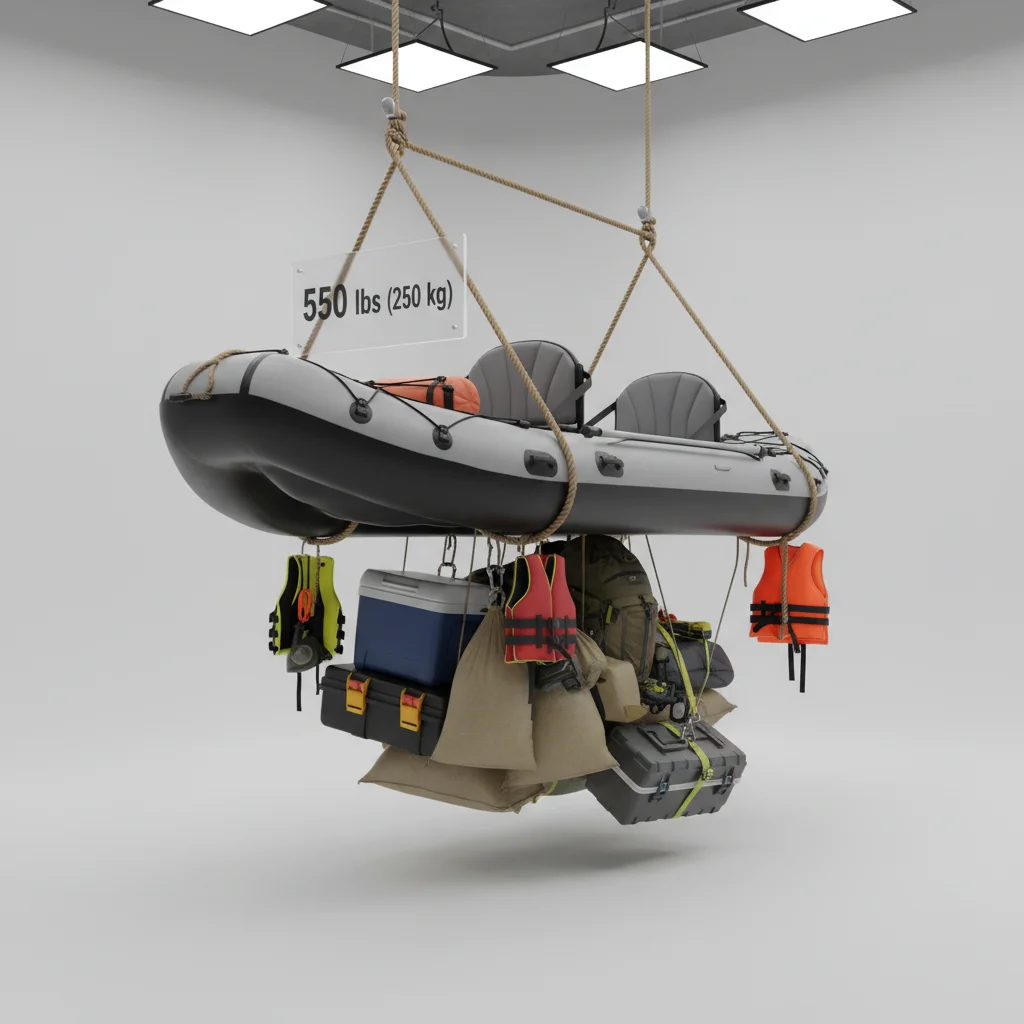
Understanding the inflatable kayak weight limit is crucial for safety and performance. Most recreational inflatable kayaks can safely hold between 300 to 600 pounds, depending on their design and intended use. This capacity is a critical factor to consider, especially when planning to carry gear, pets, or an additional passenger. Exceeding this limit can compromise stability, maneuverability, and even the structural integrity of the kayak, leading to a less enjoyable and potentially unsafe paddling experience.
Factors Influencing Weight Capacity
Several design elements contribute to an inflatable kayak’s overall weight capacity. The material thickness and quality, such as heavy-duty PVC or Hypalon, play a significant role in determining how much stress the kayak can withstand. Furthermore, the number of air chambers and their independent inflation contribute to the kayak’s rigidity and buoyancy. A kayak with multiple, well-distributed air chambers will generally offer a higher weight capacity and better safety in case of a puncture. The overall length and width of the kayak also directly impact its ability to displace water and support weight; longer and wider models typically accommodate more.
Calculating Your Kayak’s Load
When preparing for a trip, it’s essential to accurately calculate the total load you’ll be placing in your inflatable kayak. This includes the weight of all occupants, any gear such as coolers, fishing equipment, camping supplies, and even the weight of a pet if you’re bringing one along. Always refer to the manufacturer’s specified weight limit, which is usually found in the product manual or on the kayak itself. It’s a good practice to leave a buffer of at least 10-15% below the maximum capacity to account for unforeseen variables like water absorption by gear or slight inaccuracies in weight estimation. Overloading can lead to the kayak sitting too low in the water, making it sluggish and difficult to paddle, and increasing the risk of capsizing.
- Weigh all passengers, including yourself.
- Estimate the weight of all essential gear, including water and food.
- Account for any pets and their accessories.
- Add a 10-15% safety margin to your total.
- Compare this sum to the manufacturer’s stated weight limit.
Two-Person vs. Single-Person Kayaks
|
Our Picks for the Best Inflatable Kayak in 2026
As an Amazon Associate I earn from qualifying purchases.
|
||
| Num | Product | Action |
|---|---|---|
| 1 | Intex Challenger K1 Kayak Kit |

|
| 2 | INTEX Challenger Inflatable Kayak Series: Includes Deluxe 86in Kayak Paddles and High-Output Pump – SuperStrong PVC – Adjustable Seat with Backrest – Removable Skeg – Cargo Storage Net |
|
| 3 | INTEX 68324EP Excursion 4 Inflatable Boat Set: Includes Deluxe 54in Boat Oars and High-Output Pump – Adjustable Seats with Backrest – Fishing Rod Holders – 4-Person – 1100lb Weight Capacity |
|
| 4 | Advanced Elements - AdvancedFrame Sport Inflatable Kayak - Lightweight Day Touring Kayak with Bag and Pump |
|
| 5 | Retrospec June Nano Kids Inflatable Fishing Paddle Board SUP Kayak: 9'6" Hybrid Paddleboard with Rod Holders, Removable Seat - Lightweight Portable Youth Fishing Board |
|
| 6 | GYMAX Inflatable Kayak, 12.5Ft 507lbs Tandem Kayak with 2 Aluminum Paddles, 2 Padded Seats, Footrests, 2 Fins, Hand Pump, Carry Bag & Repair Kit, 2 Person Fishing Touring Kayak for Adults |
|
| 7 | INTEX Challenger Inflatable Kayak Series: Includes Deluxe 86in Kayak Paddles and High-Output Pump – SuperStrong PVC – Adjustable Seat with Backrest – Removable Skeg – Cargo Storage Net |
|
| 8 | INTEX 68303EP Excursion Pro K1 Inflatable Kayak Set: Includes Deluxe 86in Kayak Paddles and High-Output Pump – SuperTough PVC – Adjustable Bucket Seat – 1-Person – 220lb Weight Capacity |
|
| 9 | Intex 68307EP Explorer K2 Inflatable Kayak Set: Includes Deluxe 86in Aluminum Oars and High-Output Pump – SuperStrong PVC – Adjustable Seats with Backrest – 2-Person – 400lb Weight Capacity |
|
| 10 | Intex 68309EP Excursion Pro K2 Inflatable Kayak Set: Includes Deluxe 86in Kayak Paddles and High-Output Pump – SuperTough PVC – Adjustable Bucket Seat – 2-Person – 400lb Weight Capacity |
|
The weight capacity varies significantly between single-person and two-person inflatable kayaks. A typical single-person model might have a weight limit ranging from 250 to 400 pounds, sufficient for one paddler and a moderate amount of gear. In contrast, two-person (tandem) inflatable kayaks are designed to accommodate two adults and their equipment, often boasting capacities between 450 and 700 pounds. Some larger, expedition-grade tandem kayaks can even exceed 800 pounds. Always ensure that if you’re using a tandem kayak, the combined weight of both paddlers and their gear does not exceed the stated limit. For solo paddlers using a tandem kayak, the extra capacity can be beneficial for carrying extensive gear on longer trips, but it’s still important not to exceed the overall limit.
Consequences of Exceeding the Limit
Exceeding the inflatable kayak weight limit can lead to several undesirable and potentially dangerous outcomes. The most immediate effect is reduced performance; the kayak will sit lower in the water, increasing drag and making it harder to paddle efficiently. This can also make the kayak less responsive and more challenging to steer. More critically, overloading can compromise the kayak’s stability, making it more prone to tipping, especially in choppy water or when encountering wakes. In extreme cases, excessive weight can strain the seams and materials, potentially leading to leaks, punctures, or even catastrophic failure of the kayak’s structure. Always prioritize safety by adhering strictly to the manufacturer’s guidelines.
For those seeking high-capacity options, consider models specifically designed for heavy loads or multiple occupants. These often feature reinforced materials and more robust construction.Investing in a quality pump with a pressure gauge can also help ensure your kayak is inflated to the optimal PSI, which contributes to its overall rigidity and weight-bearing capability. Proper inflation is just as important as adhering to the weight limit for a safe and enjoyable experience on the water.

Great info on how different design elements impact the weight limit. I’ve got a two-person inflatable and was always a bit nervous about packing too much gear for overnight trips. Understanding that the number of air chambers contributes to rigidity makes a lot of sense. I’ll definitely be checking the specs more closely next time I’m looking at a new model.
I always wondered about the actual weight capacity of my inflatable kayak, especially when I bring my dog along. This really helped clarify that the 300-600 pound range is pretty standard for recreational models. Now I feel much more confident about not overloading it and compromising stability. It’s good to know the material thickness makes such a difference.
While the info on weight limits was helpful, I wish there was a bit more detail on specific brands or models that excel in higher capacities. My current kayak, made with heavy-duty PVC, feels a bit squishy when I’m near its stated limit with a passenger and cooler. It’s still usable, but I’m always a little worried about the structural integrity.
This was super useful for understanding why exceeding the weight limit is such a big deal. I used to think it was just about floating, but the points about compromised stability and maneuverability really hit home. I’m glad I read this before my next trip where I was planning to bring a lot more stuff than usual. Safety first!