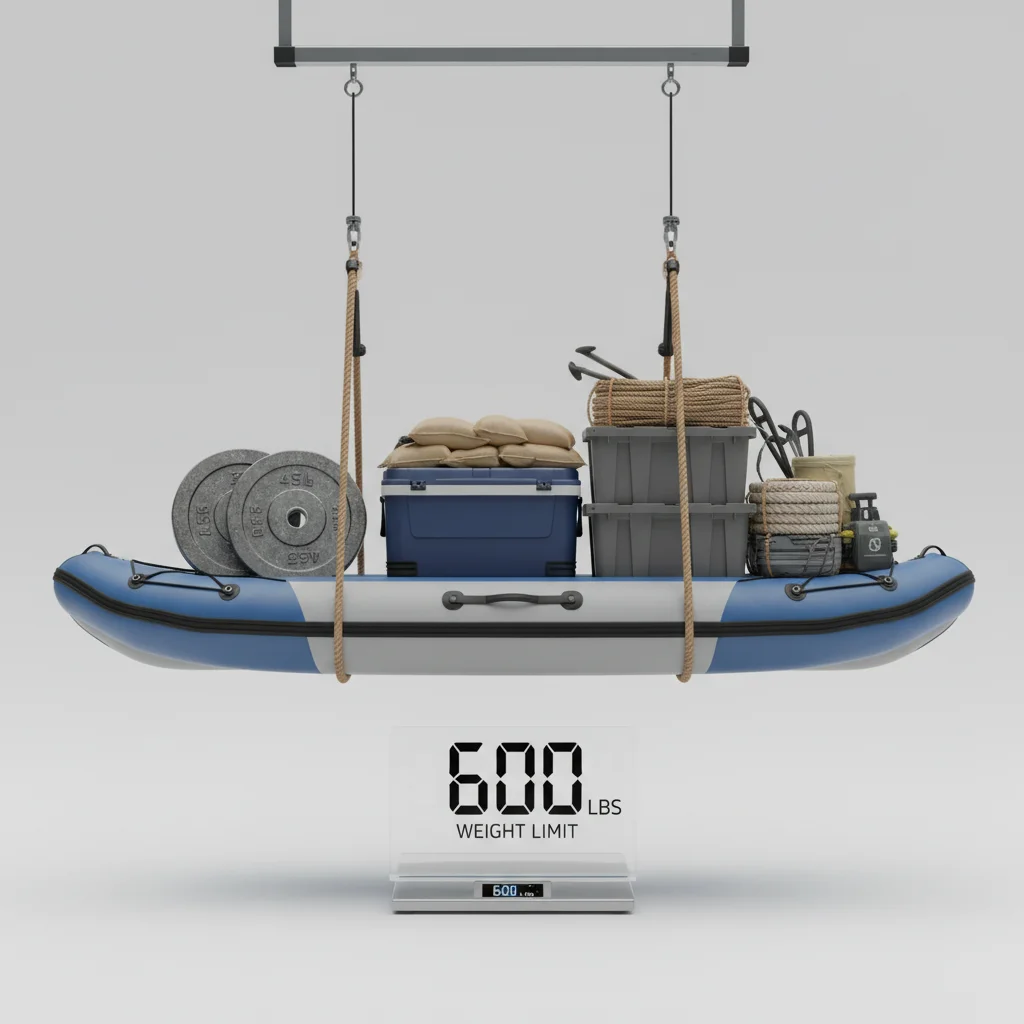
Inflatable kayaks can hold a surprising amount of weight, with most recreational models safely accommodating between 300 to 600 pounds. This capacity varies significantly based on the kayak’s design, materials, and intended use, ranging from single-person models to tandem or even three-person configurations.
Understanding Weight Capacity Ratings
Manufacturers provide a weight capacity rating for each inflatable kayak, which is the maximum safe load the vessel can carry without compromising performance or safety. This rating includes the weight of all occupants, gear, and any accessories. Exceeding this limit can lead to instability, reduced maneuverability, and potential damage to the kayak’s seams or inflation chambers.
It’s crucial to consult the specific model’s specifications before loading up. Factors like the number of air chambers, the thickness of the PVC or Hypalon material, and the overall length and width of the kayak all contribute to its structural integrity and weight-bearing capabilities.
Factors Influencing Inflatable Kayak Capacity
Several design elements play a critical role in determining an inflatable kayak’s weight capacity. Tandem kayaks, for instance, are built with larger dimensions and often more robust construction to support two paddlers and their equipment. The floor type also matters; drop-stitch floors, common in higher-end models, offer superior rigidity and can handle heavier loads compared to I-beam or bladder-style floors.
The quality of the seams and valves is another key factor. Well-constructed seams, often reinforced or welded, prevent air leaks under stress, while high-quality valves ensure consistent air pressure, which is vital for maintaining the kayak’s shape and buoyancy under load. Always check for these indicators when evaluating a kayak’s potential capacity.
Maximizing Your Kayak’s Load Safely
|
Our Picks for the Best Inflatable Kayak in 2026
As an Amazon Associate I earn from qualifying purchases.
|
||
| Num | Product | Action |
|---|---|---|
| 1 | INTEX 68303EP Excursion Pro K1 Inflatable Kayak Set: Includes Deluxe 86in Kayak Paddles and High-Output Pump – SuperTough PVC – Adjustable Bucket Seat – 1-Person – 220lb Weight Capacity |

|
| 2 | INTEX Challenger Inflatable Kayak Series: Includes Deluxe 86in Kayak Paddles and High-Output Pump – SuperStrong PVC – Adjustable Seat with Backrest – Removable Skeg – Cargo Storage Net |
|
| 3 | INTEX 68324EP Excursion 4 Inflatable Boat Set: Includes Deluxe 54in Boat Oars and High-Output Pump – Adjustable Seats with Backrest – Fishing Rod Holders – 4-Person – 1100lb Weight Capacity |
|
| 4 | Intex 68309EP Excursion Pro K2 Inflatable Kayak Set: Includes Deluxe 86in Kayak Paddles and High-Output Pump – SuperTough PVC – Adjustable Bucket Seat – 2-Person – 400lb Weight Capacity |
|
| 5 | Retrospec June Nano Kids Inflatable Fishing Paddle Board SUP Kayak: 9'6" Hybrid Paddleboard with Rod Holders, Removable Seat - Lightweight Portable Youth Fishing Board |
|
| 6 | Advanced Elements - AdvancedFrame Sport Inflatable Kayak - Lightweight Day Touring Kayak with Bag and Pump |
|
| 7 | INTEX Challenger Inflatable Kayak Series: Includes Deluxe 86in Kayak Paddles and High-Output Pump – SuperStrong PVC – Adjustable Seat with Backrest – Removable Skeg – Cargo Storage Net |
|
| 8 | Intex Challenger K1 Kayak Kit |
|
| 9 | GYMAX Inflatable Kayak, 12.5Ft 507lbs Tandem Kayak with 2 Aluminum Paddles, 2 Padded Seats, Footrests, 2 Fins, Hand Pump, Carry Bag & Repair Kit, 2 Person Fishing Touring Kayak for Adults |
|
| 10 | Intex 68307EP Explorer K2 Inflatable Kayak Set: Includes Deluxe 86in Aluminum Oars and High-Output Pump – SuperStrong PVC – Adjustable Seats with Backrest – 2-Person – 400lb Weight Capacity |
|
To ensure you stay within your inflatable kayak’s weight limit and maintain optimal performance, distribute weight evenly. Place heavier items in the center of the kayak and secure them to prevent shifting. Avoid overloading one end, as this can make the kayak difficult to paddle and prone to tipping. Consider the total weight of all items, including water, food, and safety gear.
For longer trips, plan your packing meticulously. Utilize dry bags to protect gear and help with weight distribution. Remember that even small items add up, so be mindful of every piece of equipment you bring aboard.
Common Weight Capacity Ranges
- Single-Person Recreational Kayaks: Typically 250-350 lbs.
- Tandem Recreational Kayaks: Often 400-600 lbs.
- Fishing Inflatable Kayaks: Can range from 350-500 lbs, designed for extra gear.
- Whitewater Inflatable Kayaks: Generally 250-400 lbs, prioritizing maneuverability over sheer capacity.
- Expedition-Grade Inflatable Kayaks: Some specialized models can exceed 600 lbs.
Consequences of Exceeding Weight Limits
Ignoring the manufacturer’s weight limit can lead to several undesirable outcomes. The most immediate is a significant reduction in the kayak’s stability, making it more susceptible to capsizing, especially in choppy water. Performance will also suffer, as the kayak will sit lower in the water, increasing drag and making it harder to paddle efficiently.
Long-term, consistently overloading your inflatable kayak can stress the materials and seams, leading to premature wear, leaks, and even catastrophic failure. This not only poses a safety risk but also shortens the lifespan of your investment. Always prioritize safety and adhere to the recommended limits.

This really cleared up my confusion about weight limits. I used to just guess, but understanding that the rating includes all gear, not just people, makes a lot of sense. I’ve got a three-person configuration for family trips, and knowing the Hypalon material contributes to its durability and higher capacity is reassuring. No more overloading for us!
I appreciate the reminder to check the specific model’s specs. I learned the hard way that just because it’s a ‘two-person’ kayak doesn’t mean it’ll hold two adults and a cooler comfortably. My current one feels a bit sluggish and less maneuverable when we’re close to its stated limit. Next time, I’ll definitely look for something with a higher capacity than what I thought I needed.
Good breakdown on how much these things can actually hold. I’ve always been skeptical about inflatables, thinking they’d just sink with too much weight. My single-person model is rated for 300 pounds, and it’s been perfect for me and my daypack. I do wish the material was a bit thicker than the standard PVC, just for peace of mind, but it’s held up fine so far.
I was really worried about finding an inflatable kayak that could handle my husband and me, plus all our fishing gear. We’re not small people! The info here about tandem models safely accommodating up to 600 pounds was super helpful. We ended up getting an Intex Explorer K2 and it’s been fantastic, no issues with stability even when fully loaded.